
Honda JDM cars have earned a special place among American import enthusiasts. These vehicles were originally configured and sold for Japan, rather than the United States. Their appeal comes from unique specifications, memorable engineering, and models American dealerships never offered.
For U.S. buyers, the attraction also brings important questions about age, legality, parts, and authenticity. Not every Japanese-built car qualifies as a true Japanese Domestic Market vehicle. Knowing that difference can prevent expensive mistakes before you buy or import one.
Direct answer: Honda JDM refers to vehicles or specifications created for Japan’s domestic market, not every car built by a Japanese manufacturer. U.S. enthusiasts often seek models such as the EK9 Civic Type R and DC2 Integra Type R. Federal import eligibility generally depends heavily on vehicle age and compliance requirements.
| Key point | What U.S. enthusiasts should know |
|---|---|
| JDM meaning | Built or configured for Japan’s domestic market |
| Common layout | Many Japan-market examples use right-hand drive |
| Famous models | Civic Type R EK9, Integra Type R DC2, Beat, NSX-R |
| Federal safety rule | The 25-year vehicle-age exemption is central for many imports |
| EPA consideration | EPA has separate emissions requirements and age provisions |
| Main buying risks | Rust, modifications, unclear history, parts availability |
| Best first step | Verify chassis identity and legal documentation before paying |
Key Takeaways
- JDM describes the intended Japanese market, rather than a manufacturer’s nationality alone.
- The first Civic Type R and several Type R variants became famous before equivalent models reached America.
- NHTSA generally exempts vehicles at least 25 years old from applicable federal safety compliance requirements.
- EPA rules are separate, so buyers should check emissions requirements before arranging shipment.
- Chassis codes, documents, condition, modifications, and parts support matter as much as the model name.
What Does Honda JDM Mean?

The term Honda JDM describes cars and components intended for sale within Japan. A Japanese badge alone does not automatically make a vehicle JDM. A U.S.-market Japanese car remains a U.S.-market vehicle despite its manufacturer.
That distinction matters because domestic-market specifications can differ significantly. Equipment, engines, transmissions, trim, lighting, and safety hardware may vary between regions. Right-hand drive is common, although steering position alone does not establish authenticity.
This distinction also helps when comparing ordinary American-market Japanese cars. Newspaj’s 2016 Toyota Camry review covers a familiar U.S.-market example. Its Japanese brand does not turn that American-market specification into a domestic Japanese model.
Why These Cars Became So Popular in America
Performance is only part of their appeal for U.S. enthusiasts. Japan received versions that American buyers could not purchase through local dealers. Games, magazines, online communities, and enthusiast media later made those once-distant cars familiar.
Type R models became especially important to the brand’s enthusiast identity. The Integra Type R appeared in Japan in 1995, followed by the first Civic Type R in 1997. Honda says the EK9 used a 1.6-liter engine producing 185 PS in Japanese specification.
Scarcity adds another layer to the interest. Owning a genuine Japan-market configuration feels different from recreating its appearance on a domestic car. Chassis codes and original specifications therefore matter strongly to collectors.
Seven Notable Japanese-Market Models Enthusiasts Know
| Model | Era | Why enthusiasts notice it |
|---|---|---|
| Civic Type R EK9 | 1997–2000 | Lightweight first-generation Civic Type R |
| Integra Type R DC2 | 1995–2001 | High-revving Type R engineering and sharp handling |
| NSX-R NA1 | 1990s | Weight-focused version of the mid-engine NSX |
| Beat PP1 | 1991–1996 | Tiny mid-engine, rear-drive kei roadster |
| Civic SiR EG6 | 1990s | Lightweight hatchback with a performance-focused specification |
| Prelude Type S | Late 1990s | Performance-oriented Prelude variant for Japan |
| S2000 AP1 Japan specification | From 1999 | High-revving roadster with regional specification differences |
Civic Type R EK9
The EK9 is one of the defining models from the late 1990s. It combined a compact body with a purpose-developed 1.6-liter DOHC VTEC engine. The factory also focused on weight, rigidity, response, and driver involvement.
Honda’s own Type R history identifies the 1997 EK9 as the first Civic wearing the badge. The company credits it with strengthening Type R’s popularity. That history helps explain why genuine examples attract strong collector interest today.
Integra Type R DC2
The earlier DC2 helped establish the Type R formula beyond the NSX. Factory tuning focused on engine response, weight reduction, and more serious driving performance. The Japanese version became a reference point for front-wheel-drive performance cars.
Honda states that its Japanese Integra Type R produced 200 PS at 8,000 rpm. Skilled workers also polished selected engine components during production. Details like those created an identity that ordinary trim packages could not easily reproduce.
Beat and NSX-R
The Beat offered a completely different experience from Type R machinery. Introduced in Japan during 1991, it used a mid-engine, rear-wheel-drive layout in a tiny open body. Its unusual proportions make it recognizable even outside specialist circles.
The NSX-R took the opposite approach to performance and price. It applied the Type R philosophy to the company’s mid-engine sports car. Its rarity and purpose make it one of the more serious collector targets.
Are JDM Imports Legal in the United States?
Yes, qualifying Japanese-market vehicles can be legally imported into the United States. Federal safety and environmental requirements remain separate, so buyers must consider both. State registration rules can add another layer after federal entry.
The National Highway Traffic Safety Administration explains the federal vehicle-import framework. Vehicles at least 25 years old receive an important exemption from applicable Federal Motor Vehicle Safety Standards. NHTSA measures this using the vehicle’s month and year of manufacture.
That makes the calendar especially important for cars built around 2001 in 2026. A model year alone should not be treated as proof of immediate eligibility. Buyers should verify the actual production date before arranging international shipping.
The EPA Rule Is Different From the 25-Year Safety Rule
Environmental compliance should not be confused with NHTSA’s safety exemption. The EPA’s vehicle import guidance discusses a separate provision for qualifying vehicles at least 21 years old. Conditions involving original configuration and engines can affect that provision.
This difference is easy to miss when researching imports online. A car satisfying one federal requirement does not automatically satisfy every other requirement. Customs documentation and state requirements must also be handled correctly.
Prospective importers should check current agency instructions before shipping a vehicle. Rules can depend on the exact car and its configuration. Paying for overseas transport before confirming eligibility can turn a promising purchase into an expensive problem.
JDM Does Not Mean Every Japanese Car
American enthusiasts often use JDM as shorthand for almost any modified Japanese vehicle. That casual usage differs from the stricter market-based definition. The vehicle’s intended original sales market is what matters.
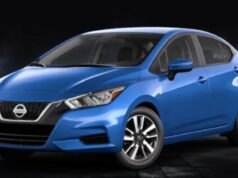
Consider a Nissan originally sold new through an American dealership. It remains a U.S.-market car even if the same generation was sold in Japan. Newspaj’s 2021 Nissan Versa overview provides another example of a Japanese-brand vehicle discussed in U.S. specification.
This distinction becomes important when sellers advertise cars or parts. Labels such as “JDM style” and “JDM inspired” do not prove Japanese domestic-market origin. Buyers should rely on identification details and documentation instead of advertising language.
How to Check Whether a Car Is Authentic
Start with the chassis number, production information, and original paperwork. Compare those details with reliable documentation for the claimed Japanese specification. Genuine identifiers should make sense together instead of relying on badges or cosmetic parts.
Next, inspect features associated with that exact chassis and trim. Engines, transmissions, seats, gauges, body components, and factory labels can provide useful clues. Extensive modifications can make authentication harder, even when the base vehicle is legitimate.
Finally, examine the import trail carefully. Keep copies of customs, shipping, ownership, and compliance records when available. Documentation may become important during registration, resale, insurance, or a future authenticity dispute.
What U.S. Buyers Should Inspect Before Purchasing
Age does not guarantee condition. Many desirable cars are now decades old and may have rust, aging rubber components, previous crash repairs, or neglected maintenance. A specialist pre-purchase inspection can uncover problems that attractive photographs hide.
Parts supply deserves equal attention. Common service items may be easy to obtain, while Japan-specific trim or mechanical components can be harder. Check availability before purchasing a rare model that needs immediate restoration.
Modified cars require extra caution because previous owners may have changed critical components. Engine swaps can also affect emissions-related import considerations. For general ownership and maintenance reading, Newspaj’s Automobile section provides more vehicle coverage.
Which Model Makes the Most Sense for a First-Time Buyer?
There is no single answer for every enthusiast. Buyers wanting a famous performance hatchback may gravitate toward the EK9. Drivers seeking something smaller and unusual may prefer the Beat.
The DC2 appeals strongly to fans of lightweight front-wheel-drive performance. An S2000 offers a different rear-wheel-drive experience, although the model was also officially sold in America. Japan-market specifications still require careful identification rather than assumptions based on the badge.
Your budget should include more than the purchase price. Inspection, shipping, customs work, taxes, registration, repairs, and specialist parts can add substantial costs. A cheaper example can become expensive when poor condition appears after arrival.
Final Thoughts for U.S. Enthusiasts
A genuine Japanese-market car offers more than unusual styling or a steering wheel on the right. Its appeal comes from specification, history, engineering, and the story behind models Americans once watched from afar. Those qualities make careful research more important than chasing a popular badge.
Start by confirming exactly what the car is and when it was manufactured. Then verify federal import eligibility, EPA requirements, state rules, condition, and parts support. That process protects both your money and the ownership experience.
For enthusiasts considering a purchase, documentation should come before excitement. Check the chassis, production date, import records, and inspection results before sending payment. A well-documented example is usually a better starting point than a mysterious bargain.
Frequently Asked Questions
What does Honda JDM mean?
Honda JDM describes vehicles or specifications made for Japan’s domestic market. It does not describe every vehicle from the brand. Original market destination matters more than where enthusiasts later register the car.
Is every Japanese-made Civic a JDM car?
No, manufacturing location and sales market are different concepts. A Civic built for American sale is generally a U.S.-market specification. Genuine domestic-market versions were configured for Japanese buyers and regulations.
Can you legally import a 25-year-old Japanese car into America?
Many vehicles at least 25 years old qualify for NHTSA’s age-based safety exemption. Other federal requirements can still apply to the import. Buyers should also verify EPA, customs, and state registration requirements.
Why are Type R models so desirable?
Early Type R models emphasized weight reduction, responsive engines, and more focused chassis tuning. Some important versions were unavailable through U.S. dealers when new. Limited American access helped build their reputation among enthusiasts.
Are right-hand-drive cars automatically JDM?
No, right-hand drive alone does not establish the car’s original sales market. Several countries use right-hand-drive vehicles. Chassis data and documentation provide stronger evidence of Japanese domestic-market origin.
Are imported cars difficult to maintain in the United States?
Difficulty varies by model and condition. Shared mechanical parts can make some vehicles relatively manageable. Rare Japan-specific components may require overseas sourcing and longer repair times.