


Education

Home Education
Different articles with complete guides about exams there preparations and more are available here on our page.

Remanded Meaning in U.S. Courts: What It Means for Cases, Appeals, and Custody

0
Remanded Meaning in U.S. Courts

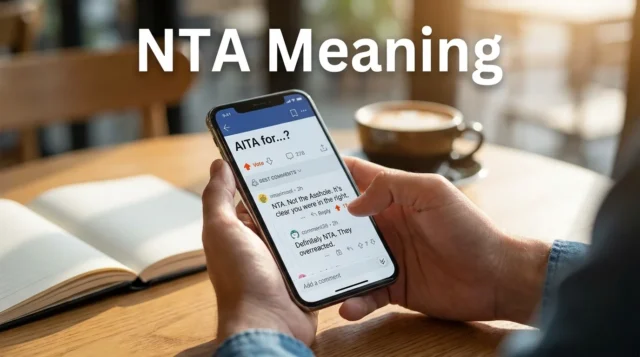
Seeing the word remanded in a court decision, news report, or legal document can be confusing because it doesn’t have a single practical effect. In U.S. law, the term generally means a court has sent something back for further action, but what is being sent back may be a case, a particular legal issue, or a person being returned to custody. The surrounding language usually tells you which meaning applies. Also worth reading: NTA Meaning.

The most common use appears in appeals, where a higher court sends a case back to a lower court for additional proceedings. The term can also appear when a federal court returns a removed lawsuit to state court or when a judge orders a criminal defendant held in custody. Understanding these different uses makes phrases such as “reversed and remanded,” “vacated and remanded,” and “remanded into custody” much easier to interpret.

Quick answer: Remanded means a court has sent a case, issue, or person back for further action. In U.S. appeals, a higher court may send a case back to a lower court for additional proceedings. In criminal matters, a defendant may also be remanded into custody, meaning the court orders detention rather than release.

What Does Remanded Mean in Court?

In its basic legal sense, remanded means sent back or returned under a court order. The U.S. Department of Justice legal glossary describes a remand as what happens when an appellate court sends a case back to a lower court for further proceedings, often because the lower court must reconsider or redo some part of the case. That order does not automatically tell you what the final outcome will be.

That last point is important because people sometimes assume the case has already been completely won or lost. An appellate court may identify a legal or procedural problem while leaving the lower court to determine what happens after that problem is corrected. Depending on the instructions, the next proceeding could involve a new hearing, reconsideration of a ruling, resentencing, or another step rather than an entirely new trial.

Use of “remanded”What it generally meansWhat may happen next
Appeal remandHigher court sends a case back to a lower courtLower court follows the appellate court’s instructions
Reversed and remandedA ruling is reversed and the case is returnedFurther proceedings occur under the new appellate ruling
Vacated and remandedA decision is set aside and returnedThe affected issue or decision must be reconsidered
Remanded to state courtA federal court returns a removed case to state courtLitigation continues in the state court
Remanded into custodyA person is ordered or returned into detentionThe person remains detained unless a later order changes that status

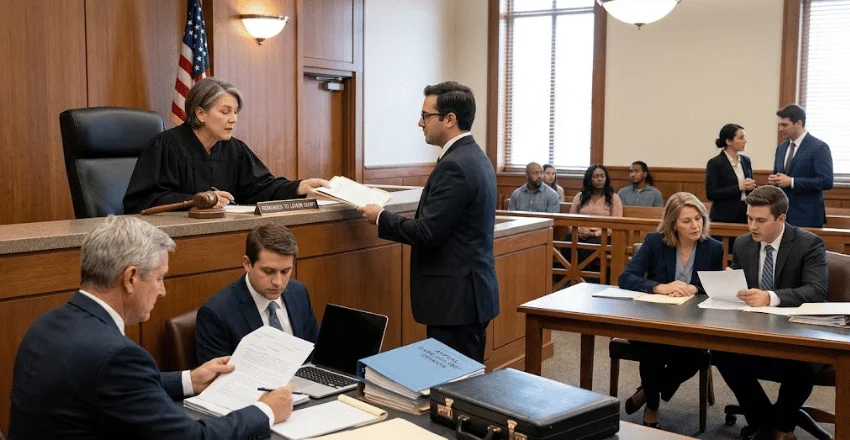
What Does “Case Remanded” Mean After an Appeal?
What Does “Case Remanded” Mean After an Appeal?

A case is commonly described as remanded after an appellate court reviews a lower court’s decision and determines that additional proceedings are necessary. Appellate courts generally review whether the lower court applied the law and procedure correctly, rather than simply retrying the case. When further work must occur below, the appellate court can send the case back with instructions.

Those instructions matter because the lower court is not necessarily free to start the entire dispute over from the beginning. The appellate opinion may identify a specific question that needs reconsideration or direct the court to apply a different legal standard. The scope of the remand therefore depends on the actual wording of the appellate judgment and opinion.

After the appellate process reaches the appropriate stage, the court of appeals issues its mandate, which includes its judgment and generally its opinion and directions. Under Federal Rule of Appellate Procedure 41, the mandate becomes effective when issued, although rehearing requests or a court-ordered stay can affect its timing. The lower court can then proceed consistently with the appellate court’s ruling.

What Does “Reversed and Remanded” Mean?

“Reversed and remanded” combines two separate actions by an appellate court. Reversed means the appellate court has concluded that the lower court’s decision cannot stand as entered, while remanded means the matter is being sent back for additional proceedings. The DOJ’s legal glossary notes that reversal is often followed by a remand because correcting an error may require further action in the trial court.

For example, suppose an appeals court decides that a trial court used an incorrect legal standard when ruling on an important issue. The appellate court may reverse the affected ruling and send the case back so the lower court can reconsider the issue under the correct standard. That does not necessarily mean the appellate judges have decided every factual dispute or dictated the ultimate winner.

A phrase such as “reversed and remanded for further proceedings consistent with this opinion” therefore tells readers to examine the appellate opinion itself. The opinion explains what the lower court did incorrectly and what legal principles should guide the proceedings after the case returns. The consequences can be narrow or extensive depending on the error and the appellate court’s instructions.

What Does “Vacated and Remanded” Mean?

“Vacated and remanded” is similar but not identical to “reversed and remanded.” When a ruling is vacated, the affected judgment or order is set aside, and the accompanying order sends the matter back for further action. The lower court must then address the case in light of the higher court’s decision rather than simply treating the prior ruling as unchanged.

A vacatur can affect an entire judgment or only a particular part of a case, depending on the appellate decision. The remand may require reconsideration, a new ruling, additional proceedings, or another action the higher court identifies. Reading the disposition together with the opinion is therefore more useful than relying on that two-word phrase alone.

This illustrates why remanded does not function as a synonym for “dismissed.” A case in that position commonly remains active, although it may return to a different stage of litigation. What happens after that point depends on the type of case and the instructions contained in the controlling order.

Does Remanded Mean the Case Is Over?

Usually, a remand means another court still has work to do. A higher court may have resolved a particular legal question, but the lower court must carry out additional proceedings before the dispute can reach its next conclusion. In some cases, those proceedings are relatively limited, while in others they can substantially change the course of the litigation.

A remand also does not guarantee the party who obtained it will ultimately win. Correcting a legal error can improve that party’s position without determining every remaining issue. The lower court may still make findings or rulings that affect the final result, provided it acts consistently with the higher court’s instructions.

For readers exploring other U.S. court and legal terminology, Newspaj maintains broader law coverage explaining legal concepts in plain language. Its guide to liquidated damages in U.S. contracts also shows how the meaning and effect of legal terms can depend on the governing law and circumstances. These related resources can help readers distinguish general definitions from the rules that control a particular dispute.

What Does It Mean When a Case Is Remanded to State Court?

A different form of remand occurs when litigation moves from state court to federal court and is later returned to the state system. This commonly happens after a defendant removes a qualifying lawsuit from state court to federal district court. If the federal court determines that the case must go back, it issues a remand order returning the matter to the state court.

Federal law provides important rules for that process. Under 28 U.S.C. § 1447(c), a motion to remand based on certain defects in removal generally must be made within 30 days after the notice of removal. The same provision requires remand if the federal district court determines before final judgment that it lacks subject-matter jurisdiction. Once the certified order is sent to the state court, the state proceeding can continue.

A case remanded to state court has therefore not necessarily been decided on its underlying merits. The federal court may simply have concluded that the dispute belongs in the state judicial system. The parties can continue litigating their claims and defenses after the case returns, subject to the state court’s procedures and any controlling rulings.

What Does “Remanded Into Custody” Mean?

The word takes on another meaning when it refers to a person rather than a lawsuit. Cornell Law School’s Legal Information Institute explains that a prisoner may be described as remanded when sent back into custody while awaiting trial. In everyday U.S. court reporting, wording such as “the defendant was remanded into custody” generally indicates that the person is being detained rather than released.

The actual legal rules governing detention depend on whether the case is federal or state, the stage of the proceedings, and the applicable law. In federal criminal cases, release and detention before trial are governed principally by the Bail Reform Act, including 18 U.S.C. § 3142, which establishes circumstances and procedures for detention hearings. Federal detention decisions can involve issues such as flight risk, obstruction, witness threats, and statutorily defined categories of cases.

Being detained before trial is not itself a finding of guilt. A custody decision addresses whether a defendant will remain detained while the criminal process continues, whereas conviction concerns whether the government has proven the criminal charge under the applicable standard. Readers should therefore avoid treating the phrase “remanded into custody” as equivalent to “convicted.”

Is Remand the Same as Jail?

Not always, because the word remand can refer to a case rather than a person. When an appellate case is remanded, no one is necessarily being jailed; the litigation is simply being returned to a lower court for further proceedings. When a defendant is remanded into custody, however, detention is part of the meaning.

That distinction also helps separate criminal detention from other forms of legal custody. For example, California’s Section 5150 concerns a civil mental-health detention process rather than a criminal arrest, as explained in Newspaj’s 5150 meaning guide. A person can therefore be legally detained under very different authorities, and the word used in a headline should not be interpreted without its surrounding context.

If a news article simply says someone “was remanded,” look at the next few words. References to a “lower court,” “trial court,” or “further proceedings” normally indicate a case remand, while references to “custody,” “detention,” or a defendant being held normally concern the person’s custodial status. That quick context check often resolves the ambiguity immediately.

Remanded vs. Reversed vs. Dismissed

These court terms describe different procedural outcomes and should not be treated as interchangeable. A remand sends a case or issue back for more action, a reversal sets aside a lower court decision because of an error, and a dismissal ends particular claims or proceedings subject to the terms of the dismissal. More than one of these actions can occur in the same appellate decision.

For example, an appellate court can reverse one part of a judgment, affirm another part, and remand the remaining issues. Another decision might vacate an order and send the matter back without deciding the ultimate outcome. This is why the short disposition at the end of an appellate opinion can contain several procedural terms at once.

The practical effect should always be determined from the entire court order rather than a single word. Courts can limit what issues may be considered after remand or direct the lower court to conduct specific proceedings. For an individual case, the court’s written order and advice from a qualified attorney are more reliable than a generalized definition.

What Happens After a Case Is Remanded?

After an appellate remand, the lower court normally resumes proceedings within the boundaries established by the appellate ruling. The next step depends on what the higher court decided, so no universal “remand hearing” occurs in every U.S. case. A court might need to reconsider a motion, hold another hearing, address sentencing, apply a corrected rule of law, or conduct other proceedings.

In federal appeals, the mandate is the formal mechanism that makes the appellate judgment effective and communicates the judgment and related directions. Federal Rule of Appellate Procedure 41 also allows rehearing procedures or an authorized stay to affect the timing of the mandate. This means the date an appellate opinion is published and the date proceedings resume below are not always the same.

For someone directly involved in litigation, the most useful document is the remand order or appellate opinion itself. It identifies the court receiving the case and usually explains the legal issue that led the higher court to send it back. Court docket entries and counsel can then clarify deadlines, hearings, filings, and any other procedural steps required after the case returns.

Why Context Matters When You See “Remanded” in the News

Legal headlines often reduce complicated procedural events to a few words, which can make a remand sound more decisive than it is. A headline stating that a judgment was “remanded” may mean only that another court must revisit part of the dispute. A headline stating that a defendant was “remanded” may instead concern immediate detention.

The same caution applies to consumer and financial legal disputes because terminology does not eliminate the need to review the governing rules. Newspaj’s article on car repossession protections, for example, explains how procedural rights can vary according to state law, contracts, and individual facts. Court remands likewise depend heavily on the type of proceeding, jurisdiction, and language of the actual order.

When accuracy matters, identify who issued the order, what was sent back, where it was sent, and what the receiving court has been told to do. Those four details usually reveal much more than the word remanded by itself. They can also help distinguish a procedural setback from a final decision.

Frequently Asked Questions

What does remanded mean in simple terms?

Remanded means a court sent it back for further action. It most often describes a higher court sending a case back to a lower court, although it can also describe someone being returned to custody. The exact meaning depends on what the court is sending back and why.

Is being remanded a good or bad thing?

A remand is not automatically good or bad for either side. A party that successfully challenges a ruling may benefit from having an issue reconsidered, but that step by itself may not determine the final winner. The legal effect depends on what the appellate court decided and what remains to be resolved.

Does remanded mean a new trial?

No, a remand does not automatically require a new trial. The lower court may only need to reconsider a motion, correct a legal error, conduct another hearing, resentence a defendant, or perform another specified task. A new trial occurs only when the applicable ruling and procedural law require one.

What does “reversed and remanded” mean?

The phrase means an appellate court has rejected or overturned the affected lower-court ruling and sent the matter back for additional proceedings. The trial court must then act consistently with the appellate court’s decision. The phrase does not necessarily mean the appellate court has resolved every remaining issue.

Can a federal case be remanded to state court?

A lawsuit that was removed from state court to federal court can be remanded under applicable federal law. For example, 28 U.S.C. § 1447 requires remand when a removed case lacks federal subject-matter jurisdiction before final judgment and establishes procedures for certain other challenges to removal. The lawsuit may then continue in the state court rather than ending altogether.

Does remanded into custody mean convicted?

No, a person can be detained while a criminal case is still pending. Pretrial detention concerns whether the defendant will remain in custody during the court process and is legally different from the determination of guilt. The exact rules and available challenges depend on the jurisdiction and circumstances.

The Bottom Line

Remanded generally means that a court has sent a case, issue, or person back for further action. In U.S. appellate law, it usually means a higher court has returned a case to a lower court, while other contexts can involve a federal case returning to state court or a defendant being returned to custody. The word alone does not establish that a case has ended, that a new trial will occur, or that a person has been convicted.

When you encounter the term, read the words immediately around it and identify what was remanded and where it was sent. Phrases such as “reversed and remanded,” “remanded to state court,” and “remanded into custody” have different practical consequences. For a real legal dispute, the controlling court order and advice from an attorney licensed in the relevant jurisdiction should guide any decisions.


Oklahoma Unemployment Benefits 2026: Complete Guide to Eligibility, $649 Weekly Pay, Filing & Appeals 

0
Oklahoma Unemployment

Oklahoma unemployment benefits provide temporary income to eligible workers who lose work through no fault of their own. For 2026, the state lists a maximum weekly benefit of $649 and a maximum benefit amount of $10,384. Claims are handled by the Oklahoma Employment Security Commission, commonly called OESC. 

Key fact 2026 information 
Agency Oklahoma Employment Security Commission 
Maximum weekly benefit $649 
Minimum weekly benefit $16 
Maximum published benefit amount $10,384 
Basic wage requirement At least $1,500 in covered base-period wages 
Work-search requirement At least two efforts each claimed
Waiting period One eligible unpaid week 
Work registration Employ Oklahoma registration and an active resume. 
Identity verification Every 90 days while filing 
Latest state jobless rate 4.3% in July 2026 

Direct answer: Eligible Oklahoma workers can file a UI claim after losing work or having qualifying hours reduced. Your payment depends mainly on covered wages in your base period, with a 2026 maximum of $649 weekly. You must keep filing weekly certifications and meet continuing work-search requirements to receive eligible payments. 

Key Takeaways 

  • File through the official OESC claimant system after your qualifying job separation. 
  • Your regular weekly amount is generally based on one twenty-third of your highest-quarter taxable wages. 
  • You must normally complete at least two documented work-search efforts each claimed week. 
  • Oklahoma requires a one-week waiting period that is eligible but unpaid. 
  • Register with EmployOklahoma, publish an active resume, and keep filing weekly certifications. 
  • Benefits are taxable, and eligible claimants receive a Form 1099-G. 

Oklahoma Unemployment in 2026: The Rules That Matter Most 

The state program is designed for workers who become fully or partially jobless and meet both wage and eligibility requirements. OESC examines your recent covered wages and the circumstances surrounding your separation from work. The agency also checks whether you remain able, available, and willing to accept suitable employment. 

Oklahoma’s latest published labor data also provides context for people searching the broader topic. The seasonally adjusted state jobless rate reached 4.3% in July 2026, while nonfarm payroll employment increased by 1,100 jobs during the month. OESC also reported 10,228 unadjusted continued UI claims for the file week ending August 22, 2026. 

Who Qualifies for UI Benefits in Oklahoma? 

You generally need a qualifying employment history before the state considers other eligibility questions. OESC says claimants normally need at least $1,500 from covered employment during the base period. Total base-period wages must also generally equal at least one and one-half times the wages from your highest quarter. 

Your separation from work also matters. A layoff or similar loss of work through no fault of your own is the clearest qualifying situation. A resignation or discharge does not automatically settle the question because OESC can investigate the reason for separation before deciding eligibility. 

Typical continuing requirements include: 

  • Remaining able and available for suitable work. 
  • Completing the required work registration. 
  • Performing and documenting weekly work-search activities. 
  • Filing a certification for every week you want to claim. 
  • Reporting earnings or hours worked during the appropriate week. 
  • Attending required RESEA appointments if you are selected. 

How to File a Claim in Oklahoma 

The official OESC benefits page lists the 2026 maximum weekly benefit of $649 and links to the claimant portal, which is safer than relying on unofficial application websites. Gather your personal identification and recent employment records before starting. OESC may also request documents related to military, federal, or noncitizen employment situations. 

  • Create your claimant account. Enter your contact and identifying information through the official state system. 
  • Complete identity verification. OESC requires verification before an initial claim can be filed. 
  • Submit the initial claim. Report your employment dates, employer information, wages, and reason for separation accurately. 
  • Register with EmployOklahoma. Create or activate your job-seeker account and publish a current resume. 
  • Complete your weekly work searches. Keep records for each qualifying search or reemployment activity. 
  • File your weekly certification. Submit it even during the waiting week and while an eligibility issue is being reviewed. 
  • Check messages and notices. Respond promptly when OESC requests documents or additional information. 

Oklahoma introduced EmployOklahoma as its current state job-matching platform in 2025. OESC says work registration must be completed within seven days, and failure to complete it can lead to denial of benefits. You can use EmployOklahoma for your resume, job search, and activity records. 

How Much Can You Receive Each Week? 

State law calculates the regular weekly benefit amount as one twenty-third of taxable wages from your highest-paid base-period quarter. If that calculation falls below $16, the statute increases it to $16. For 2026, OESC lists the maximum weekly amount as $649. 

For example, suppose your highest taxable quarter contained $12,000 in wages. Dividing $12,000 by 23 gives about $521.74 before applying other rules that may affect your claim. Your official monetary determination from OESC, rather than an online estimate, establishes the amount you are eligible to receive. 

The state’s 2026 table lists a maximum benefit amount of $10,384, which equals 16 payments at the $649 maximum weekly rate. Oklahoma law also contains provisions that can change maximum duration when statewide continued-claim levels reach specified thresholds. Your monetary determination should therefore be treated as the controlling statement for your individual claim. 

What You Must Do Every Week 

What You Must Do Every Week

Receiving an initial approval does not remove your weekly responsibilities. OESC normally requires at least two work-search efforts for each week claimed, and those activities must be documented. Records should be kept for two years because the agency may request them during an audit. 

A qualifying effort can include applying for a job, completing an interview, attending certain reemployment workshops, or performing another recognized job-search activity. Reapplying to the same employer for the same position does not count every week under the state rules. Different positions with one employer can count separately when each application is properly documented. 

You must also file the weekly certification that corresponds to each week you are claiming. OESC requires identity reverification every 90 days for claimants who continue filing. If RESEA selects you for an appointment, attendance is required, and the appointment can count as one weekly search activity. 

The Waiting Week and Payment Timing 

Oklahoma law requires one eligible waiting week before payments begin. You still need to file the certification and meet the normal eligibility rules for that week. The unpaid waiting week does not subtract from the total benefit amount available on your claim. 

OESC first checks monetary eligibility and then reviews other eligibility questions. The agency says the U.S. Department of Labor standard calls for an eligibility determination within 21 days after a claim becomes monetarily eligible. Missing wages, separation disputes, federal wages, military wages, or another claim issue can extend the practical timeline. 

Benefit payments are issued through the state’s debit card vendor, with an option to arrange transfers to a personal bank account after activation. Previously issued eligible cards may receive funds within two to three days after the first eligible weekly certification. A new card can take about 10 to 14 days to arrive after that first eligible certification. 

Can You Work Part Time While Receiving Benefits? 

You may still qualify while working part time, but all hours and gross earnings must be reported. OESC currently defines part-time work for this purpose as 31 hours or less. Report earnings for the week in which you earn them rather than the later date when your employer pays you. 

A reduction in income can make budgeting difficult even when partial benefits remain available. Readers looking for broader money topics can also visit Newspaj’s Finance section. If job loss is putting a vehicle loan at risk, the site’s guide to car repossession protections explains several U.S. consumer-law issues to check. 

Taxes on Your Benefits 

UI payments count as taxable income. OESC issues a Form 1099-G to people who received benefits during the tax year. Claimants can elect withholding, with OESC currently describing standard deductions of 10% for federal tax and 3% for Oklahoma state tax when withholding is selected. 

Tax withholding can reduce the amount that reaches you each week, so plan around the net figure rather than the gross award. Your personal tax result depends on your full-year income and circumstances. The newspapers’ Law section can also help you find related general legal-information articles, although state agencies and qualified professionals should be used for case-specific advice. 

What If OESC Denies or Stops Your Claim? 

A claim can show an issue while OESC investigates eligibility, wages, or the circumstances surrounding your job separation. If the agency later approves the affected period, OESC says eligible payments can be backdated to the date the claim was filed. Keep submitting weekly certifications while the issue remains open so potentially payable weeks are preserved. Also worth reading: FMLA Texas. 

For a standard determination, the claimant handbook states that parties generally have 10 calendar days from the mailing date to file an appeal. Overpayment determinations can carry a different deadline, so read the notice itself carefully. The OESC appeals page publishes the current hearing procedures, evidence rules, and registration instructions that apply within that 10-day window. 

What to Do Next 

Start your claim through the official OESC website soon after a qualifying separation rather than relying on third-party filing services. Prepare your employment information, finish work registration, and create a simple system for saving weekly search records. Check every agency message promptly because missed certifications, deadlines, or required appointments can interrupt otherwise eligible payments. After monetary eligibility. Complicated wage records or disputes about a job separation can make an individual claim take longer. 

Frequently Asked Questions 

How much is Oklahoma unemployment in 2026? 

The maximum published weekly benefit for 2026 is $649, while state law establishes a $16 minimum weekly amount. Your personal payment is generally based on one twenty-third of your highest-quarter taxable base-period wages. OESC determines the final amount after reviewing the wages attached to your claim.

How many work searches do I need each week? 

Most claimants must complete and document at least two qualifying work-search efforts for each week they claim benefits. Certain people, including some workers on temporary layoffs or approved training, may qualify for an exemption. OESC recommends keeping work-search documentation for two years. 

Can I receive benefits if I quit or was fired? 

You can still file a claim, but OESC will examine why the employment ended. Quitting without qualifying good cause or being discharged for misconduct can affect eligibility under Oklahoma law. Submit accurate information and allow the agency to make the formal determination for your circumstances. 

How long does an Oklahoma claim take to review? 

OESC first decides whether your wages make you monetarily eligible. It then reviews other eligibility issues, with the federal timeliness standard calling for a determination within 21 days after monetary eligibility. Complicated wage records or disputes about a job separation can make an individual claim take longer.

Liquidated Damages in U.S. Contracts: A Complete Guide to How They Work, When Courts Enforce Them, and What Businesses Should Know

0
Liquidated Damages

A contract breach can create real financial losses, but calculating those losses after the fact is not always easy. Liquidated damages let contracting parties agree in advance on a specific amount, or a formula for calculating an amount, that becomes payable when a defined breach occurs. In the United States, however, simply labeling a contract term as such does not automatically make it enforceable.

Courts generally distinguish legitimate compensation from a contractual penalty designed mainly to punish or force performance. Governing rules can vary by state, contract type, and applicable statute, so wording and facts matter. Understanding that distinction can help businesses, contractors, landlords, service providers, and individuals evaluate a clause before a dispute begins.

Short answer: Liquidated damages are a contractually agreed amount or formula payable after a specified breach. In U.S. contract law, courts generally enforce the clause when the loss was difficult to estimate, and the amount reasonably reflects anticipated or actual harm. If the amount is punitive or unreasonably large, courts may treat it as an unenforceable penalty.

Key Takeaways

  • These clauses establish a predetermined financial remedy for a specified breach.
  • An enforceable clause generally aims to compensate for expected loss rather than punish the breaching party.
  • Courts commonly consider whether damages were difficult to estimate and whether the agreed amount was reasonable.
  • An excessive amount that operates mainly as punishment may be treated as an unenforceable penalty.
  • State law matters, and separate rules can apply to sales of goods, federal contracts, construction projects, and statutory claims.

What Are Liquidated Damages?

The parties set these damages before a breach occurs rather than calculating them entirely afterward. The provision may state a fixed dollar amount, a daily rate, a percentage, or another formula tied to a specific contractual failure. The arrangement is particularly useful when genuine losses would be difficult or impossible to prove precisely.

For example, a construction agreement might require a contractor to pay an agreed daily amount for each day a project remains incomplete after the contractual completion date. A technology agreement could set damages for a defined service failure if the resulting operational loss would otherwise be difficult to quantify. The amount does not become valid merely because the contract uses that label; courts look at what the provision actually does.

When Are Liquidated Damages Enforceable?

No single nationwide test governs every private contract because state law largely shapes contract law. Nevertheless, U.S. authorities commonly focus on similar considerations: whether the potential loss was difficult to calculate and whether the agreed amount reasonably approximated the harm the parties expected from a breach. A provision that instead imposes an unreasonably large financial consequence may be classified as a penalty.

The U.S. Supreme Court has long recognized that reasonably designed liquidated-damages provisions can serve a useful function when losses are uncertain or difficult to measure. In Priebe & Sons, Inc. v. United States, the Court described enforceable provisions as fair and reasonable efforts to fix compensation for anticipated loss. State courts may apply their own statutes, precedents, and variations of this general framework, so the contract’s governing law remains important.

The Loss Should Be Difficult to Estimate

A predetermined amount makes the most sense when you cannot reliably calculate the financial consequences of a future breach when the agreement is made. Delayed construction, lost business opportunities, extended supervision expenses, disruption, and loss of use can involve multiple variables that are difficult to predict in advance. If the loss is simple and immediately measurable, there may be less justification for replacing ordinary compensatory damages with a predetermined amount.

Difficulty does not mean the loss has to be completely impossible to calculate. The issue is whether reasonable parties could face genuine uncertainty when trying to forecast the financial effect of the particular breach covered by the clause. The American Bar Association notes that uncertainty can arise when damages depend on numerous factors, fluctuate over time, or involve consequences that are inherently speculative before performance begins.

The Amount Should Reasonably Relate to the Expected Harm

A valid clause should have a defensible connection to the financial harm the parties reasonably anticipated. The amount should not be selected simply because it is large enough to frighten the other party into performing. Courts are more likely to question a provision when the amount is grossly disproportionate to the foreseeable loss or applies the same severe charge to breaches of very different seriousness.

For that reason, businesses drafting a clause should be able to explain how they arrived at the number. Supporting calculations might consider expected administrative costs, lost use, additional financing expenses, replacement costs, supervision, or another foreseeable consequence associated with the particular breach. A documented estimate made during contract negotiations can provide stronger evidence of a compensatory purpose than an arbitrary round number with no connection to probable loss.

The Clause Cannot Function Primarily as a Penalty

American contract law generally refuses to enforce contractual penalty provisions that impose an unreasonably high amount mainly to punish a breaching party. Courts separate a penalty from an enforceable provision by asking whether the amount is a reasonable forecast of harm or an excessive punishment. The title placed on the clause is therefore less important than its substance and economic effect.

A contract could describe a $100,000 charge as an agreed remedy, but a court could still reject it if the underlying breach was expected to cause only a small and easily measurable loss. The reverse is also possible because a substantial agreed amount is not automatically a penalty when the probable loss itself could reasonably be substantial. Enforceability depends on context rather than a universal maximum percentage or dollar amount.

Liquidated Damages vs. a Penalty Clause

IssueLiquidated damagesPenalty clause
Main purposeCompensate for anticipated lossPunish or pressure performance
Relationship to harmReasonably connected to probable or actual lossUnreasonably high or disproportionate
Difficulty of calculating lossOften difficult or uncertainMay have little connection to estimation difficulty
General treatmentPotentially enforceableGenerally unenforceable
Contract labelHelpful but not controllingCannot be saved by the label the parties chose

The distinction is one of the most important issues in a liquidated-damages dispute. A court typically looks beyond the wording and examines the relationship between the amount and the harm connected with the specified breach. This is why copying a damages clause from an unrelated contract can create problems even when the language sounds legally sophisticated. Readers weighing similar contract questions can find further plain-language explainers in Newspaj’s law coverage.

How the Damages Amount Is Calculated

No standard calculation works for every contract. A reasonable formula should reflect the type of breach and the losses that could realistically follow, rather than an arbitrary percentage chosen for convenience. Parties may use a fixed amount, a daily rate, a rate tied to project milestones, or another measurable formula if they can justify it with anticipated harm.

Consider a hypothetical construction agreement that reasonably estimates delay-related costs at $2,000 for each day after an agreed completion date. If the contractor is responsible for a compensable 10-day delay, the clause would produce $20,000. That arithmetic alone does not establish enforceability, because a court could still examine the governing law, the contract language, responsibility for the delay, and whether the $2,000 rate was a reasonable estimate.

Hypothetical situationPossible formulaExample calculation
Construction delayAmount per day$2,000 × 10 days = $20,000
Missed commercial milestoneFixed amount per milestone2 missed milestones × $7,500 = $15,000
Service-level failureAmount tied to duration$500 × 6 qualifying hours = $3,000
Defined delivery delayDaily contractual rate$750 × 4 days = $3,000

These examples illustrate how a clause can operate, not whether a particular clause would be legally enforceable. Parties still need to connect the formula to a reasonable estimate of the expected consequences of the breach. A contract should also define the triggering event, calculation period, exclusions, applicable caps, and circumstances that excuse performance clearly enough to reduce later disputes.

Sales of Goods and the UCC

Contracts involving sales of goods may also be governed by a state’s version of the Uniform Commercial Code. Cornell Law School’s Legal Information Institute publishes the text of UCC § 2-718, which allows damages to be liquidated only at a reasonable amount. Reasonableness is judged against the anticipated or actual harm, the difficulty of proving loss, and the difficulty of otherwise obtaining an adequate remedy. The same section provides that an unreasonably large amount is void as a penalty.

The UCC framework matters because commercial sales contracts can involve delivery failures, supply-chain disruptions, rejected goods, deposits, and other losses that a single generic formula cannot address. However, you must review the applicable state enactment and the specific transaction rather than assume the model UCC language answers every dispute. Businesses dealing across state lines should also pay attention to the contract’s governing-law provision.

Construction Contracts and Delay Damages

Construction is one of the areas where these provisions appear most frequently because delays can create costs that are real but difficult to forecast exactly. Owners may face extended project supervision, financing expenses, substitute-property costs, lost use, or operational disruption when completion occurs later than agreed. Contractors, meanwhile, need a clause that clearly identifies completion dates, excusable delays, extensions, milestones, and any cap on damages.

Federal procurement rules illustrate the compensatory approach particularly clearly. The current Federal Acquisition Regulation states that these damages are not punitive and that the rate should represent a reasonable forecast of compensation for harm caused by late delivery or performance. Federal construction provisions may also calculate daily amounts using anticipated inspection, supervision, substitute-property, and other delay-related expenses.

Those federal rules do not automatically control private construction contracts, but they demonstrate the logic behind a carefully calculated damages rate. A party should be able to explain why a certain delay creates a certain category of financial loss rather than simply choosing the largest amount the other side will accept. Clear documentation can also become important if the provision is challenged years after the agreement was signed.

Can You Recover Actual Damages As Well?

When an enforceable liquidated-damages clause covers a particular breach and category of loss, the injured party generally cannot use it to obtain predetermined compensation and then recover the same loss again as ordinary actual damages. The purpose is to establish the remedy for the covered harm in advance, not provide a double recovery. Different losses, contractual provisions, statutes, or jurisdictions can complicate that rule, so you must examine the exact remedy language carefully.

A poorly drafted agreement can create uncertainty about whether the predetermined remedy is exclusive or applies alongside another contractual remedy. Businesses should therefore identify the specific breach and damage category covered by the clause rather than referring vaguely to “any violation of this agreement.” Precision matters most in agreements with several performance obligations and very different potential consequences.

Statutory Liquidated Damages Are Different

Statutory Liquidated Damages Are Different

The term does not always refer to a contractual clause negotiated by private parties. Federal statutes can independently authorize such awards, and those claims follow statutory requirements rather than the ordinary contractual penalty analysis. The Fair Labor Standards Act is an important example for U.S. employers and workers.

Under the FLSA, qualifying minimum-wage or overtime violations can expose an employer to unpaid wages plus an additional equal amount in damages. The U.S. Department of Labor explains that employees may pursue back wages and a matching additional sum in qualifying cases. Federal law gives courts limited discretion over that additional amount when an employer proves statutory good faith and reasonable grounds. These statutory damages should therefore not be confused with a negotiated construction, lease, vendor, or service-contract clause.

What to Check Before Signing the Clause

A contract review should start with the triggering event because the clause must say exactly what conduct activates the payment obligation. Parties should then determine what losses could reasonably result, why those losses would be difficult to calculate later, and how the proposed amount was derived. The agreement should also address delays or failures caused by the other party, force-majeure provisions, extensions, cure periods, caps, and related remedies when those issues are relevant.

Contract questionWhy it matters
What exact breach triggers payment?Prevents the clause from applying too broadly
How was the amount calculated?Helps demonstrate a compensatory basis
Was the potential loss difficult to estimate?Supports the purpose of predetermined damages
Does the amount change with the seriousness or duration of the breach?Can make the formula more closely reflect probable harm
Are there extensions or excusable delays?Helps determine when damages actually begin
Is there a maximum amount or time period?Can prevent damages from growing beyond foreseeable loss
Which state’s law governs?Enforceability standards can differ by jurisdiction
Are other remedies also available?Helps prevent conflicting or duplicative recovery provisions

Contract rights can also overlap with specialized consumer and commercial rules. For example, auto-finance defaults involve their own contract terms, state requirements, and UCC issues, which Newspaj discusses in its guide to car repossession protections.

What Happens When the Clause Is Disputed?

A dispute may arise because one party believes the triggering breach never occurred, the delay was excused, the amount was calculated incorrectly, or the clause operates as an unenforceable penalty. The parties may also disagree about which jurisdiction’s law applies or whether the predetermined remedy covers the particular loss being claimed. Documents created during contract negotiations can matter because they may show whether the amount resulted from a genuine attempt to estimate probable harm.

If a court concludes that a contractual amount is an unenforceable penalty, that does not necessarily mean the nonbreaching party suffered no loss. Depending on the contract and governing law, the party may instead have to establish whatever ordinary breach-of-contract damages are legally available. Outcomes can differ significantly by jurisdiction, which is why generalized online examples should not replace review of the actual agreement and controlling state law.

Frequently Asked Questions

What is a simple example of such a clause?

A construction contract might require a contractor to pay $1,000 for each qualifying day a project is completed late. If the clause was designed as a reasonable estimate of losses that the owner could suffer from delay, it may function as a valid agreed remedy. Whether the provision is actually enforceable depends on the applicable law and the circumstances surrounding the agreement.

Are these clauses always enforceable?

No, putting a predetermined amount in a signed contract does not guarantee that a court will enforce it. Courts can reject a clause when it amounts to a penalty, conflicts with public policy, or fails another requirement of the governing law. The specific state, contract type, amount, anticipated harm, and circumstances of formation can all matter.

Do you have to prove the exact actual loss?

Not necessarily when an enforceable liquidated-damages provision governs the breach. One purpose of the clause is to avoid having to establish an exact amount of difficult-to-measure loss after the breach occurs. Federal authorities have recognized that enforceable provisions can apply even when actual damages ultimately differ from the amount agreed in advance.

Can the agreed amount be too high?

Yes, an amount that is unreasonably large in relation to the anticipated or actual harm may be considered a penalty. The UCC expressly states that an unreasonably large liquidated-damages amount is void as a penalty in covered transactions. Other contracts are evaluated under applicable state contract law, which may use similar but not identical standards.

Can a contract charge damages every day?

A contract can use a daily rate, particularly when damages increase as a delay continues. The rate still needs to satisfy the applicable enforceability rules, and the agreement should clearly define when the clock starts, when it stops, and whether a cap applies. Federal construction rules, for example, expressly contemplate daily delay rates supported by estimated daily and delay-related costs.

The Bottom Line

Liquidated damages can make contracts more predictable by establishing a financial remedy before a difficult-to-measure breach occurs. Their effectiveness depends on careful drafting, a reasonable connection to expected harm, and compliance with the law governing the agreement rather than the label printed above the clause. When a significant amount of money is involved, the safest approach is to evaluate the provision before signing rather than waiting until a breach turns the wording into a dispute.

NTA Meaning Explained: A Complete Guide to What NTA Means on Reddit, TikTok, Texts, Online Discussions, and Social Media

0
NTA Meaning

Quick answer: NTA most commonly means “Not the Asshole” in internet slang. It became popular in Reddit’s AITA community, where commenters use NTA to say the person telling the story isn’t in the wrong. Today, you may also see it in texts, TikTok comments, and other social media conversations.

If you searched for the NTA meaning after seeing three unexplained letters in a Reddit comment or group chat, the context is probably much simpler than it looks. NTA is an internet judgment that says someone was justified, reasonable, or not at fault in a disagreement. Although it is closely associated with Reddit, the abbreviation has spread into everyday online conversations across the United States and other English-speaking communities. Elsewhere on the site: Remanded Meaning in U.S. Courts.

The important detail is that context still matters because NTA is also used as an abbreviation in legal, professional, and organizational settings. A Reddit comment saying “NTA, your roommate was being unreasonable” has a very different meaning from NTA in an immigration document. This guide explains the slang meaning first, then shows how to recognize the less common alternatives.

NTA Meaning at a Glance

QuestionAnswer
What does NTA mean in slang?Not the Asshole
Where is NTA most common?Reddit, especially AITA discussions
What does NTA mean in texting?You are not in the wrong
Is NTA positive or negative?Usually supportive toward the person receiving it
What is the opposite of NTA?YTA, meaning You’re the Asshole
What does NAH mean?No Assholes Here
Is NTA formal language?No, it is informal internet slang
How is NTA pronounced?“En-tee-ay”

What Does NTA Mean?

The most common NTA meaning in slang is “Not the Asshole.” Someone uses it to say that another person was not the one behaving badly in a conflict, argument, or difficult social situation. In everyday language, it is roughly equivalent to saying “You’re not the person at fault,” “You weren’t wrong,” or “I think you were justified” about what happened.

The phrase sounds harsher when written out because it contains mild profanity, but the abbreviation itself often feels less aggressive online. People frequently use NTA as a quick verdict before explaining why they support one side of a disagreement. Its exact tone can range from sympathetic and reassuring to sarcastic or strongly judgmental depending on the conversation.

Internet terms aren’t always limited to a single definition, which is why context matters before interpreting unfamiliar shorthand. Readers interested in another term whose formal and casual uses differ can see Newspaj’s 5150 meaning guide. Both examples show how a conversation’s setting can completely change what a short expression means.

Where Did NTA Come From?

NTA is strongly associated with Reddit’s Am I the Asshole (AITA) discussion format. People describe interpersonal conflicts and ask other users whether their behavior was unreasonable, selfish, or otherwise wrong. Commenters then respond with standardized verdict abbreviations, including NTA, YTA, ESH, NAH, and INFO.

In Reddit’s voting terminology, NTA means the original poster is not in the wrong and another party is responsible. That distinction matters because Reddit uses NAH, or “No Assholes Here,” when the commenter believes nobody involved deserves blame. Outside the AITA format, however, people often use NTA more loosely simply to mean “you did nothing wrong.”

The abbreviation became recognizable far beyond one subreddit because AITA-style stories are frequently discussed, reposted, summarized, and reacted to elsewhere online. Users now encounter the same vocabulary while watching social-media story videos or discussing personal dilemmas in unrelated communities. As a result, knowing the NTA meaning can help make sense of conversations even if you rarely use Reddit yourself.

What Does NTA Mean in Texting?

In texting, NTA generally means “you are not in the wrong.” A friend may use it after you describe an argument, boundary, breakup, workplace disagreement, or awkward social situation and ask whether you handled it badly. The abbreviation offers a quick answer while borrowing Reddit’s familiar judgment style.

For example, imagine you tell a friend that you refused to lend your car to someone who previously returned it damaged. Your friend might reply, “NTA. They already showed you they can’t be trusted with it.” The message means your friend thinks your decision was reasonable and doesn’t consider you responsible for the conflict.

Common texting examples include:

  • “NTA. You gave them plenty of notice before canceling.”
  • “Definitely NTA. Setting a boundary isn’t rude.”
  • “NTA in my opinion, but you should still talk to her.”
  • “I read the whole story and you’re NTA.”
  • “NTA. I probably would have done the same thing.”

These examples also show that an NTA judgment does not always mean the commenter agrees with every detail of someone’s behavior. A person can believe you were broadly justified while still suggesting that you communicate better or handle one part of the situation differently. The abbreviation usually summarizes the overall verdict rather than providing a complete analysis.

What Does NTA Mean on TikTok and Other Social Media?

What Does NTA Mean on TikTok and Other Social Media?

On TikTok, NTA usually appears beneath videos involving relationship drama, family disagreements, workplace conflicts, friendship problems, or retellings of Reddit stories. Viewers may comment “NTA” instead of writing a longer explanation to show that they support the creator or person in the story. The same shorthand may appear on Instagram, X, YouTube, Facebook, and other platforms where users discuss personal situations.

Its meaning can also become more playful away from Reddit. Someone might jokingly ask whether they were wrong for eating the last slice of pizza and receive an exaggerated “NTA” response from friends. That use imitates the serious AITA verdict format while applying it to a trivial everyday decision.

Social context therefore matters more than the platform itself. When NTA appears below a story about who was right or wrong, “Not the Asshole” is usually the intended definition. Readers who regularly follow creators, viral stories, and online personalities can also explore Newspaj’s broader entertainment coverage for related topics.

NTA vs. YTA, NAH, ESH, and INFO

NTA makes more sense once you understand the other abbreviations commonly used alongside it. Reddit’s AITA discussions rely on several familiar verdicts that let commenters communicate their overall judgment quickly. Each one represents a different conclusion about who, if anyone, behaved badly.

AcronymMeaningWhen It Is Used
NTANot the AssholeThe poster is not in the wrong and another party is
YTAYou’re the AssholeThe poster is considered the person in the wrong
NAHNo Assholes HereNobody involved is considered seriously at fault
ESHEveryone Sucks HereMultiple people handled the situation badly
INFONot Enough InformationMore details are needed before judging
AITAAm I the Asshole?The question that asks others for a judgment

The easiest terms to confuse are NTA and NAH, because both clear the original poster of blame. The difference is that NTA usually points to someone else being in the wrong. NAH says the situation may simply be unfortunate, without either side deserving that label. YTA is the clearest opposite because it directly tells the poster that their own behavior was the problem.

How to Use NTA Correctly

Use NTA when you respond to someone asking, directly or indirectly, whether they were wrong in a particular situation. It works best in informal conversations where the other person understands internet slang and where a judgment-style response fits naturally. Adding a short explanation after the abbreviation usually makes your response more thoughtful and prevents your opinion from sounding dismissive.

For instance, “NTA. You clearly explained your boundary before they ignored it” provides more value than simply typing three letters. The additional sentence tells the other person what part of their behavior you consider reasonable. This is especially useful when the situation involves several people or complicated circumstances.

NTA is usually a poor choice in formal emails, school assignments, workplace reports, or professional communication. Even though the letters themselves are not profanity, they represent a phrase that includes a word many people consider inappropriate in formal settings. Safer professional alternatives include phrases such as “you were not at fault,” “your response was reasonable,” or “I do not think you acted improperly.”

Is NTA Rude or Offensive?

NTA is generally supportive of the person receiving the judgment because it tells them they are not considered at fault. However, the expanded phrase contains the word “asshole,” so some people may still view the abbreviation as crude or overly casual. The safest approach is to use it with people and communities where this style of internet slang is already normal.

The term can also sound judgmental toward whoever is on the other side of the story. Traditional AITA terminology distinguishes NTA from NAH partly because an NTA verdict generally indicates another party is the one behaving badly. If you believe both people acted reasonably, NAH may communicate your opinion more accurately.

Does NTA Have Other Meanings?

Yes, and this matters for U.S. readers because NTA is not exclusively an internet term. In American immigration materials, NTA can mean “Notice to Appear,” including Form I-862 used in connection with immigration court removal proceedings. The surrounding legal language makes that usage very different from a casual Reddit or text-message conversation.

NTA is also the abbreviation used by the National Tax Association, a U.S.-based educational organization focused on public finance, taxation, government spending, and borrowing. The organization dates to the early twentieth century and uses NTA throughout its professional materials. In an economics, taxation, public-policy, or conference context, this meaning may therefore be more appropriate than the slang definition.

Other industries and countries use the same three letters for additional organizations and technical terms. Rather than assuming one definition applies everywhere, look at the words immediately surrounding the abbreviation. Readers interested in how formal terminology works in U.S. legal topics can continue with Newspaj’s law coverage.

Common Mistakes When Reading NTA

One common mistake is assuming NTA and NAH are interchangeable. Both indicate that the person asking for judgment is not the main problem, but they assign responsibility differently. In traditional AITA usage, NAH is more appropriate when neither side deserves blame, whereas NTA indicates that another party is in the wrong.

Another mistake is interpreting NTA as a universal social-media abbreviation with only one possible expansion. The slang meaning dominates conversations about interpersonal disputes, but the same initials appear in American legal and professional contexts. The subject of the conversation is usually enough to identify the correct definition.

Finally, NTA should not be treated as objective proof that someone behaved correctly. Online commenters usually see only the details the person telling the story presents, and different readers can reach different judgments from the same account. An NTA comment therefore expresses an opinion about a situation rather than establishing an unquestionable fact.

Why Has NTA Become So Common Online?

NTA works well online because it compresses a complete judgment into three recognizable letters. Social platforms reward quick participation, and standardized abbreviations let readers express an opinion without repeating the same phrase under every story. People who want to explain their reasoning can then place a longer comment after the initial verdict.

The AITA format has also become recognizable enough that its vocabulary can be used humorously outside its original setting. Someone does not need to be actively browsing Reddit to encounter an NTA or YTA judgment today. The terms now function as part of a broader style of internet conversation about everyday conflicts and social behavior.

The abbreviation’s simplicity also makes it easy to carry from one platform to another. A person may first encounter NTA on Reddit and later use it in a group chat, TikTok comment, or text conversation. That movement between platforms helps explain why many people who have never participated in an AITA discussion now understand the term.

The Bottom Line

For most Americans encountering NTA in a Reddit thread, text message, TikTok comment, or online discussion, the NTA meaning is “Not the Asshole” and nothing more complicated. It is a quick way of saying that the person being judged was not the one primarily at fault. Related acronyms such as NAH, YTA, and ESH express different conclusions. Remember that NTA also has specialized meanings outside social media, so the surrounding topic should always determine which definition applies.

Frequently Asked Questions

What does NTA stand for?

NTA most commonly stands for “Not the Asshole” in Reddit and internet slang. It tells someone that the commenter doesn’t believe they were the one behaving badly in the situation. In more formal contexts, the abbreviation can have completely different meanings.

What does NTA mean in a text message?

In a text message, NTA usually means “you are not in the wrong.” People often use it after a friend describes an argument or asks whether their behavior was unfair. The term is informal and works best when both people know internet slang.

What is NTA on Reddit?

In Reddit’s AITA-style discussions, NTA is a judgment meaning the original poster is not the “asshole” and another party is in the wrong. It is one of several common judgment labels alongside YTA, ESH, NAH, and INFO. Users often place the abbreviation near the beginning of a comment and then explain their reasoning.

What is the difference between NTA and YTA?

NTA supports the original poster, while YTA means “You’re the Asshole” and places responsibility on the poster. The two verdicts therefore communicate nearly opposite judgments about the same type of conflict. Commenters usually explain the reasoning behind whichever verdict they choose.

Is NTA the same as NAH?

No, NTA and NAH communicate different judgments in traditional AITA terminology. NTA says the poster is not in the wrong while another party is, whereas NAH means “No Assholes Here” and clears everyone involved of that judgment. Outside Reddit, people sometimes use the terms less precisely.

Can NTA mean something besides “Not the Asshole”?

Yes, the correct meaning depends on context. NTA can mean Notice to Appear in U.S. immigration materials and National Tax Association in public-finance discussions, among other specialized definitions. A social-media argument strongly suggests the slang meaning, while professional or government documents require you to read the surrounding context.

Car Repossession Loopholes Explained: Real Legal Protections vs. Risky Internet Myths 

0
Car Repossession Loopholes

Car repossession loopholes are not secret tricks that erase a loan. The real protections are legal rights that may delay, reverse, or provide grounds to challenge a repossession. They can matter when a lender makes an error, a repossession agent breaches the peace, sale rules aren’t followed, or state or federal law provides another remedy. 

Repossession rules depend heavily on your state, loan contract, and individual circumstances. In many states, a lender can take a vehicle after default without giving advance notice. However, that does not mean lenders and repossession companies can ignore the law. 

Issue What borrowers should know Possible next step 
Missed payment Default terms usually come from your contract Check the contract and payment history 
Wrongful repossession Payment or servicing errors can make a repossession disputable Save statements and contact the servicer 
Breach of peace Self-help repossession must occur without a breach of peace Document threats, force, or entry into a locked area 
Sale notice Notice before disposition is generally required under UCC rules, subject to exceptions Review every post-repossession letter 
Reinstatement Some states or contracts allow you to cure the default Ask for the reinstatement amount in writing 
Redemption You may be able to pay the secured obligation and permitted expenses before disposition Request a redemption quote promptly 
Vehicle sale The disposition must be commercially reasonable Keep sale and deficiency records 
Special protection Bankruptcy or military status may change the process Get qualified legal advice quickly 

TL;DR 

  • There is no universal loophole that allows a borrower to stop making payments and keep a financed car indefinitely. 
  • A repossession may be challengeable if you were not in default or the servicer ignored a valid payment arrangement. 
  • Repossession agents generally cannot use force, threats, or other conduct that amounts to a breach of peace. 
  • Reinstatement and redemption can provide legitimate avenues for recovering a vehicle. 
  • Sale notices, sale procedures, deficiencies, and surplus funds can create additional rights. 
  • Bankruptcy and the Servicemembers Civil Relief Act can provide protection in qualifying cases. 
  • Hiding a vehicle is not a reliable legal strategy and can make a difficult situation worse. 

Which Car Repossession Loopholes Are Real? 

Which Car Repossession Loopholes Are Real? 

The useful “loopholes” are better understood as rights, defenses, and procedural protections. They do not cancel a valid debt. Instead, they can matter when a creditor has not met the legal requirements to take or sell the vehicle. 

Here are eight protections worth checking. 

1. The lender may have repossessed the vehicle because of an account error 

Start with the simplest question: Were you actually in default? 

Payment-posting errors, ignored agreements, or servicing mistakes can lead to wrongful repossessions. In some cases, consumers have had vehicles repossessed despite making timely payments or complying with qualifying payment arrangements. 

Gather: 

  • Bank statements and payment confirmations 
  • Emails, letters, and text messages from the lender 
  • Copies of any deferment or modification agreement 
  • Screenshots from your online account 
  • The retail installment contract or lease 

Contact the lender or servicer immediately if its account records do not match your payment history. If you believe the repossession resulted from an error, keep detailed records of every conversation and document related to the account. 

2. A repossession agent cannot breach the peace 

A creditor’s ability to take a vehicle without a court order has limits. 

A secured creditor may generally take collateral after default through a judicial process or, in some circumstances, without court involvement. However, a nonjudicial repossession must occur without a breach of the peace. 

The exact definition varies by state. Examples may include using physical force, threatening force, or removing a vehicle from a closed garage without permission. 

Do not start a physical confrontation with a repossession agent. If you believe the agent acted unlawfully, document what happened from a safe location and preserve any available evidence. 

3. Post-repossession sale notice rules can matter 

A common misconception is that every borrower must receive a warning before the vehicle is first taken. That is not universally true. 

In many states, repossession can occur after default without advance notice. Different rules may apply when the lender plans to sell or otherwise dispose of the vehicle. Borrowers generally have certain notification rights before disposition, although exceptions may apply. 

Read post-repossession notices closely. Check the planned sale date, deadlines, redemption information, and contact details. 

4. Reinstatement may allow you to cure the default 

Reinstatement usually means bringing the account current rather than paying the entire remaining loan balance. 

The availability of reinstatement and its exact requirements depend on state law and your agreement. Some borrowers may be allowed to cure the default and reinstate the loan after repossession. 

Ask the lender for a written reinstatement quote. Confirm the deadline, past-due payments, authorized fees, and what will happen after payment. 

Time matters because the lender may already be preparing the vehicle for sale. 

5. Redemption can provide another route to recovering the vehicle 

Redemption can provide another route to recovering the vehicle 

Redemption is different from reinstatement. Redemption generally allows a debtor to recover collateral by satisfying the secured obligation and paying permitted expenses before certain deadlines or events occur. 

That amount can be much higher than the past-due balance. Still, it is an important right to understand if you can obtain the required funds. Ask for the payoff and redemption amounts in writing. Do not assume the reinstatement amount and the redemption amount are the same. 

6. The lender’s sale must be commercially reasonable 

Repossession does not end the financial questions surrounding the loan. The method, timing, location, terms, and other aspects of a vehicle’s sale generally must meet applicable commercial-reasonableness standards. 

The sale proceeds help determine what happens next. If the vehicle sells for less than the amount you owe plus permitted expenses, you may face a deficiency balance. If the vehicle sells for more than the amount properly owed, you may be entitled to the surplus, depending on the applicable rules. 

Keep: 

  • Sale notices 
  • Auction or sale information 
  • The final sale price 
  • Repossession and storage charges 
  • The lender’s deficiency calculation 

If you are still able to sell or refinance the vehicle before a lawful repossession occurs, understanding its market value can help you evaluate your options. Newspaj’s Automobile section provides general model information and vehicle guides. Current payoff amounts and market valuations should still come from your lender and current valuation sources. 

7. Bankruptcy can temporarily change collection activity 

Bankruptcy is a legal process, not a casual tactic for delaying repossession. Filing a bankruptcy case generally triggers an automatic stay, which stops many collection activities. A creditor that wants to continue certain repossession efforts may need to seek permission from the bankruptcy court. 

Timing and vehicle-ownership rights can become complicated if the car was already taken before the bankruptcy filing. Do not assume that bankruptcy automatically requires a lender to return a previously repossessed vehicle. If you are considering bankruptcy, speak with a qualified bankruptcy attorney before making decisions based solely on the vehicle. 

8. Servicemembers may have additional federal protections 

Qualifying active-duty servicemembers may have special rights under the Servicemembers Civil Relief Act (SCRA). 

When the statutory requirements apply, a creditor may need to obtain a court order before repossessing a vehicle based on a breach of certain pre-service contracts. Eligibility depends on factors such as when the vehicle was purchased or leased and when payments were made. 

These protections do not erase the loan or prevent all collection activity. Instead, they can change what the creditor must do before repossessing the vehicle. 

Risky “Loopholes” That Can Backfire 

Internet discussions sometimes suggest hiding the vehicle, constantly moving it, changing identifying details, or preventing lawful access as permanent solutions. 

Those actions do not fix the default or eliminate the creditor’s security interest. A lender may pursue other lawful remedies when peaceful self-help repossession is not possible. 

Likewise, there is no nationwide rule requiring a lender to wait 30, 60, or 90 days after a missed payment. In many states, repossession rights may arise as soon as a borrower defaults under the contract. 

Another myth is that voluntarily surrendering the car automatically wipes out the remaining balance. A voluntary surrender may reduce certain repossession costs, but the borrower can still face a deficiency after the vehicle is sold. 

What to Do if Repossession Is Getting Close 

Contact the lender before the vehicle is taken. Ask whether it offers a deferment, revised payment schedule, hardship plan, or another written arrangement. 

If the lender agrees to change the payment terms, get the agreement in writing. 

Next, compare the vehicle’s current value with the loan payoff amount. For general background on individual models, Newspaj has resources such as its 2021 Nissan Versa guide. Use current market offers rather than older MSRP figures when making a financial decision. 

If your vehicle belongs to a different class, model pages such as Newspaj’s 2020 Hyundai Kona overview can provide specifications and general ownership context. A current appraisal is still necessary when making a present-day sale decision. 

Most importantly, preserve every document. A payment receipt or written hardship agreement can become far more useful than a supposed internet trick. 

What to Do After the Car Has Been Taken 

What to Do After the Car Has Been Taken 

Act quickly, as post-repossession deadlines can be tight. Request a written explanation from the lender showing what you owe and what options remain. Ask about reinstatement, redemption, personal belongings, the intended sale, and any applicable fees. 

Check the notice against your contract and state law. If you believe the seizure involved a payment error, threats, force, unlawful entry, or another procedural problem, preserve the evidence and consider speaking with a consumer-law attorney or local legal-aid organization. 

After the sale, examine the deficiency statement rather than assuming the figure is correct. The sale price, authorized expenses, payments credited to the account, and applicable state rules can all affect the final amount. 

The Safest Way to Use Your Rights 

A genuine legal protection is more useful than a clever-sounding trick. Check your contract, payment history, repossession notices, and state rules. Get any agreement with the lender in writing. If the vehicle has already been taken, ask about reinstatement and redemption immediately. 

If you suspect an unlawful seizure or need to consider bankruptcy, SCRA protections, or a deficiency dispute, contact a qualified attorney or legal-aid service in your state. The sooner you verify your rights, the more options you may still have. 

This article provides general U.S. consumer information and is not legal advice. Vehicle repossession laws and available remedies vary by state and individual circumstances. 

Frequently Asked Questions 

Do car repossession loopholes let you keep the car without paying? 

No universal rule allows a borrower to stop making payments indefinitely while keeping a lender’s collateral. Real protections involve default status, lawful repossession procedures, reinstatement, redemption, sale requirements, bankruptcy, and special federal rights. 

Can a lender repossess a car after one missed payment? 

Potentially. In many states, a lender may have repossession rights as soon as a borrower defaults. Your contract defines what constitutes default, while state law may provide additional protections. 

Can a repossession agent enter a locked garage? 

State rules differ, but removing a vehicle from a closed garage without permission may constitute a breach of the peace in some jurisdictions. 

Can I get a repossessed vehicle back? 

Possibly. Depending on state law and the contract, reinstatement may allow you to cure the arrears and eligible charges. Redemption generally requires you to satisfy the secured obligation and permitted expenses before the applicable deadline. 

Do I still owe money after the vehicle is sold? 

You may. If the sale proceeds and applicable credits do not cover the debt and authorized costs, a deficiency can remain. If the proceeds exceed the amount properly owed, surplus rules may require the remaining money to be paid to the debtor. 

5150 Meaning Explained: The Mental Health Hold, Slang Use, and What Happens Next

0
5150 meaning

The 5150 meaning comes from Section 5150 of California’s Welfare and Institutions Code. It allows certain authorized professionals to detain a person for up to 72 hours for psychiatric assessment when specific legal criteria are met. In casual speech, the number has also become slang for someone viewed as unstable, although that usage can be stigmatizing.

Key point  What does 5150 meaning
Legal source  California Welfare and Institutions Code §5150  
Maximum initial period  Up to 72 hours  
Main legal criteria  Danger to self, danger to others, or grave disability  
Who may initiate it  Certain peace officers and authorized mental health professionals  
Slang use  Informal shorthand for a psychiatric hold or, more negatively, someone seen as unstable  
Criminal arrest?  No. The statute distinguishes the detention from a criminal arrest.  

What Is the 5150 Meaning in California Law?

What Is the 5150 Meaning in California Law?

Section 5150 is part of California’s Lanterman-Petris-Short Act. The 5150 meaning refers to an emergency detention when an authorized person has probable cause to believe that the legal criteria have been met. The purpose is assessment, evaluation, crisis intervention, or placement for evaluation and treatment.

The law does not treat the person as being under criminal arrest. In appropriate cases, professionals must also consider whether voluntary or less restrictive services can meet the person’s needs.  

Readers interested in related legal topics can also browse Newspaj’s law coverage.  

When Can an Involuntary Hold Be Used?

California law identifies three core grounds for an involuntary hold. Because of a mental health disorder, a person may qualify if they are:  

  • A danger to themselves  
  • A danger to other people  
  • Gravely disabled  

The meaning of “gravely disabled” has become broader under California’s updated LPS framework. In Los Angeles County, SB 43 took effect in January 2026. Under the updated definition, grave disability can include an inability to ensure personal safety or obtain necessary medical care. Severe substance use disorder may also be considered as part of a grave-disability assessment.  

That does not mean unusual behavior, a disagreement, or a mental health diagnosis automatically qualifies someone for detention. The legal criteria must still be met and supported by the circumstances.  

For related background on substance-use treatment, see Newspaj’s report on professional support for Xanax dependency.  

How Long Does the 72-Hour Hold Last?

How Long Does the 72-Hour Hold Last?

The key phrase is “up to 72 hours.” Under California law, the clock starts when the person is first detained rather than when they later arrive at a hospital or treatment facility. A person need not remain detained for the entire 72-hour period.  

During that time, professionals assess the person and determine what should happen next. Depending on the circumstances, the person may be released, voluntarily agree to further treatment, or meet the requirements for an additional period of involuntary treatment.  

California Section 5250 may allow certification for up to 14 additional days of intensive treatment when its legal requirements are met. That process also includes the right to a hearing and review.  

Who Can Start the Hold?

Under Section 5150, authorized individuals may include peace officers, specified staff members at county-designated facilities, designated mobile crisis team members, and professionals authorized by the county. The process requires probable cause.  

A relative or friend does not gain the legal authority to detain someone simply by requesting a hold. They can, however, report what they have observed and contact emergency, crisis, law enforcement, or mental health services. An authorized professional must then determine whether the legal standard has been met. If someone needs immediate help, contact the appropriate local emergency or crisis service.  

What Does 5150 Mean in Slang or a Text?

Outside a legal or clinical setting, the number is often pronounced: “fifty-one-fifty.” In slang, it may refer to involuntary psychiatric detention or be used to describe someone as unstable. Using the term to label a person can be derogatory or dehumanizing. In a message, comment, lyric, or conversation, context usually points to one of three meanings:  

  • A reference to an involuntary psychiatric hold  
  • Slang suggesting that someone seems unstable or out of control  
  • A cultural reference associated with music or entertainment  

The second use deserves particular care. A legal code number is not a psychiatric diagnosis, and casually labeling someone with it can add stigma to a person experiencing a mental health crisis.  

The term has also appeared widely in popular culture, helping make it recognizable beyond California. For related media topics, browse Newspaj’s entertainment coverage.  

Does a 5150 Hold Mean Someone Is Dangerous?

No. Being a danger to oneself or others represents two possible grounds for detention, but grave disability is a separate legal ground. Treating every detained person as violent misrepresents the law and can reinforce mental health stigma.  

The detention is also part of an evaluation process. It does not prove that a person has committed a crime. The code number should not be used as a substitute for a medical diagnosis either.  

For more coverage of health and emotional well-being, Newspaj also has a health section covering mental health and related topics.  

What Should Family and Friends Know?

What Should Family and Friends Know?

Focus on specific behavior rather than labels. If you are seeking help for someone, describe what you saw, heard, or were told. Specific observations give crisis professionals more useful information than simply saying the person seems “crazy” or unstable.  

If there is no immediate danger, crisis or mental health services may be able to discuss available options. In an immediate emergency, contact the appropriate local emergency services.

The Bottom Line

The term has two meanings that should be kept separate. In California law, it refers to a specific emergency mental health detention process with defined criteria and legal protections. In everyday speech, it has become shorthand for psychiatric crisis or instability, although careless use can stigmatize people who need support.   Elsewhere on the site, we look at Car Repossession Loopholes.

For more plain-language coverage, continue with Newspaj’s health articles or legal explainers. This article provides general information and is not medical or legal advice. Laws, procedures, and available crisis services can vary by location.

Frequently Asked Questions

What is the 5150 meaning in slang?

It usually refers to an involuntary psychiatric hold. It can also be used informally to describe someone perceived as unstable. The second usage may be insulting or stigmatizing.  

Is a 5150 hold a criminal arrest?

No. A 5150 hold is a civil mental health detention for evaluation rather than a criminal arrest.  

Can family place someone on a 5150 hold?

Family members can report concerns and request help, but they do not have the authority to place someone on a 5150 hold themselves. Legal authority belongs to individuals identified under California law or authorized by the county.  

How long is a 5150 hold?

The initial detention may last up to 72 hours, although it can end earlier. The statutory period begins when the person is first detained.