
Introduction
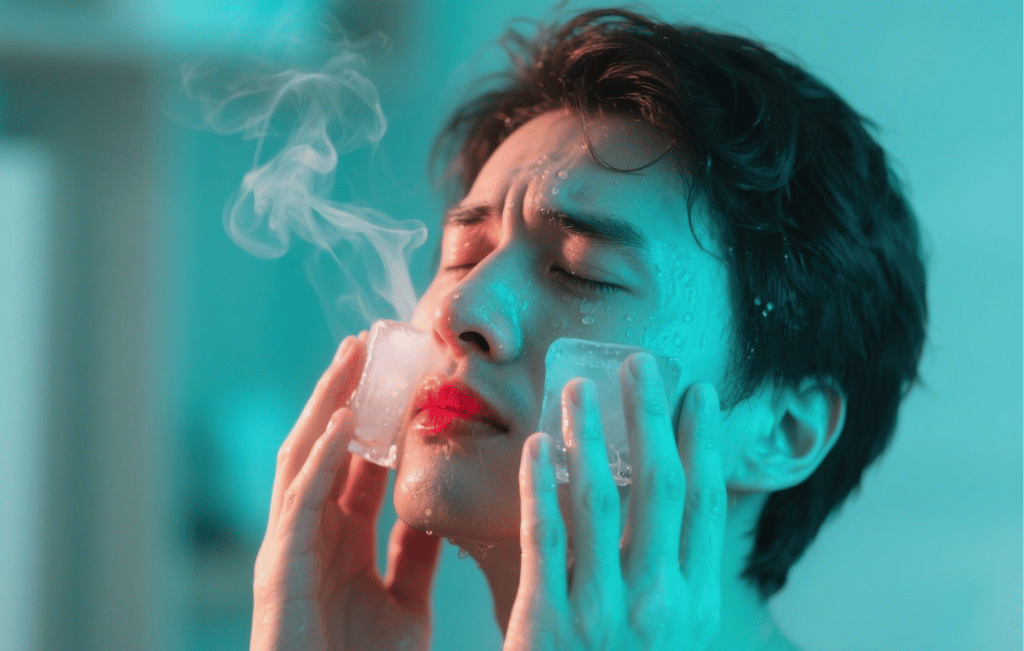
Rubbing ice on the face has become a viral beauty hack and a widely followed skincare trend. From TikTok tutorials to celebrity endorsements, icing your face is often associated with quick fixes—reduced puffiness, tightened pores, and that elusive, radiant glow.
While the cooling sensation can feel refreshing and invigorating, especially after a long day or a sleepless night, the practice is not without risks. As with any skincare method, moderation and awareness are key. In this expanded article, we’ll explore the potential disadvantages of rubbing ice on your face, providing in-depth insights into why you might want to rethink this chilly ritual.
Here’s a clear and concise table outlining the disadvantages of rubbing ice on face:
| Disadvantage | Description |
|---|---|
| Skin Irritation | Prolonged exposure to ice can cause redness, sensitivity, and discomfort. |
| Broken Capillaries | Extreme cold may cause tiny blood vessels to burst, leading to spider veins. |
| Numbness or Frostbite Risk | Applying ice directly without a barrier can lead to numbness or frostbite. |
| Aggravation of Skin Conditions | Conditions like rosacea or eczema can worsen due to cold exposure. |
| Temporary Results | Benefits like reduced puffiness or inflammation are often short-lived. |
| Overuse Damage | Frequent icing may compromise the skin barrier, leading to dryness or flaking. |
| Increased Sensitivity | Skin may become more reactive to other products after icing. |
| Uneven Application | Uneven pressure or movement can lead to irritation or patchy effects. |
Disadvantages of Rubbing Ice on Face
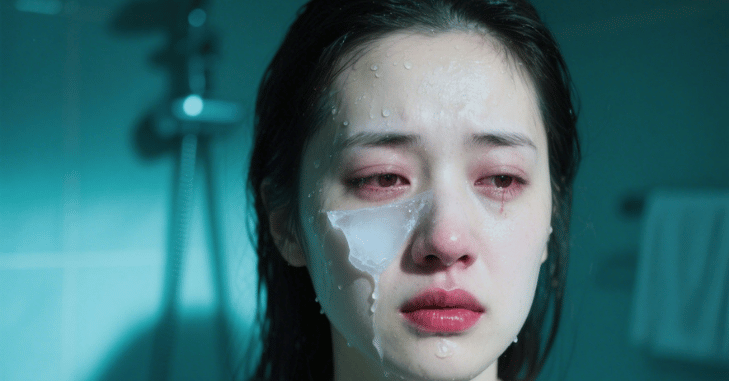
Rubbing ice on your face can offer temporary benefits like reduced puffiness and tightened pores, but it also has several disadvantages. Prolonged or direct contact with ice can cause skin irritation, redness, or even mild frostbite, especially for sensitive or dry skin.
The extreme cold may lead to broken capillaries or worsen conditions like rosacea. Additionally, frequent use can disrupt the natural oil balance, leading to over-drying or triggering excessive oil production as a compensatory response. Always wrapping ice in a clean cloth and limiting exposure time can help reduce these risks.
8 Side Effects Dermatologists Warn About
- Skin Irritation – Redness, itching, or burning often results from overusing harsh products like retinoids or exfoliants.
- Dryness and Peeling – Many acne or anti-aging treatments can excessively dry out the skin, leading to flakiness.
- Photosensitivity – Ingredients like retinol, benzoyl peroxide, and AHAs can increase sun sensitivity, raising the risk of sunburn.
- Hyperpigmentation – Improper use of products or unprotected sun exposure can worsen dark spots or create new ones.
- Allergic Reactions – Fragrances, preservatives, or specific actives in skincare can cause hives, rashes, or swelling.
- Breakouts – Using comedogenic (pore-clogging) products can increase acne, especially for oily or sensitive skin types.
- Thinning Skin—Prolonged use of steroid creams can thin the skin, making it more fragile and prone to bruising.
- Contact Dermatitis – A reaction to ingredients like nickel, dyes, or sulfates that causes inflammation and discomfort.
1. Skin Damage Due to Prolonged Exposure
One of the most critical risks of rubbing ice directly onto the face is the potential for severe skin damage. Ice is, after all, a form of extreme cold, and our skin, especially the thin, delicate skin on the face, is not designed to withstand such low temperatures for prolonged periods.
Prolonged exposure can constrict blood vessels and damage skin tissue, leading to redness, irritation, numbness, and, in extreme cases, frostbite-like symptoms. Overusing ice may also make the skin more prone to environmental stressors and pollutants. Sensitive and thin skin types are especially at risk, and the more frequently the habit is practiced, the greater the cumulative effect on the skin barrier.
2. Broken Capillaries
Applying ice too vigorously or too often can lead to a common but frustrating issue—broken capillaries. These tiny blood vessels are located just below the skin’s surface and are particularly fragile. Sudden temperature changes from the intense cold of ice can cause these vessels to burst, leaving behind visible red, blue, or purple thread-like lines.
The cheeks, nose, and under-eye region are the most vulnerable areas. Once damaged, capillaries don’t heal easily and can create permanent discoloration that may require laser treatments or specialized dermatological care to diminish. The risk is even higher for individuals with fair skin or rosacea.
3. Over-Drying the Skin
Although ice can initially seem like a blessing for oily skin by temporarily reducing sebum production and tightening pores, the effects are deceptive and short-lived. Frequent icing can strip away the skin’s natural oils, which are essential for maintaining hydration and forming a healthy barrier. This can result in dryness, flaking, and tightness.
Especially for people with dry or combination skin. Ironically, your skin might overcompensate for the dryness by producing even more oil, leading to breakouts and increased sensitivity. Disruption of the moisture barrier can make skin more vulnerable to environmental irritants, allergens, and bacterial infections.
4. Temporary Results Only
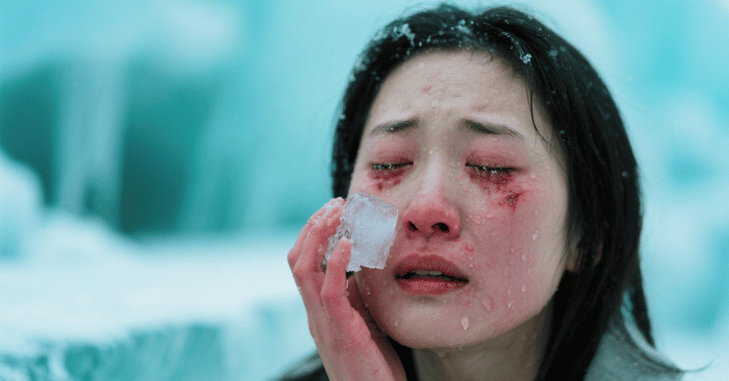
While the quick fix of de-puffing your face or giving your skin a refreshed look might be tempting, these benefits are fleeting. Rubbing ice on the face does not provide any long-term skin benefits and cannot address the root causes of skin issues such as acne, pigmentation, or aging.
By relying on ice alone, individuals may delay seeking more effective, sustainable skincare treatments or ignore a consistent regimen involving cleansers, moisturizers, exfoliants, and SPF. Moreover, those with underlying health conditions affecting their skin may misinterpret the temporary changes brought by ice as actual improvement, potentially neglecting proper medical care.
5. Potential for Ice Burns
Just like heat can burn the skin, extreme cold can also cause serious harm through ice burns. Ice burns, also known as frostnip or cold burns, occur when freezing temperatures damage skin cells. Applying ice directly to the face without any protective layer, like a thin cloth or towel, increases the likelihood of skin trauma.
The symptoms can range from mild redness and stinging to more severe blistering, peeling, or lingering numbness. These burns can sometimes leave scars or contribute to longer-term skin sensitivity, particularly in areas already prone to dryness or inflammation.
6. Not Suitable for Certain Skin Conditions
People with pre-existing skin conditions such as rosacea, eczema, or hypersensitive skin should avoid using ice on their faces altogether. For individuals with rosacea, the sudden shock of cold can trigger severe flare-ups, worsening the redness and swelling associated with the condition.
Similarly, eczema-prone skin may become more irritated or dry, potentially leading to painful patches and cracks. Those with acne may find the ice aggravates existing blemishes or causes more inflammation. Instead of soothing the skin, the cold shock can act as a trigger, setting off reactions that require medical intervention to calm down.
7. Inconvenience, Discomfort, and Improper Use
Beyond skin health, rubbing ice on the face has several practical drawbacks. Ice melts quickly, so dripping water can create a mess and discomfort. This is particularly unpleasant during colder months when additional cooling may be unwelcome. Many people also misapply ice, directly on the skin without a cloth, for too long, or with excessive pressure.
All of these mistakes amplify the risk of adverse effects. Moreover, the inconvenience of preparing ice cubes, using them safely, and cleaning up afterward often outweighs the brief cosmetic improvement. This makes it an impractical part of a daily skincare regimen for most individuals.
8. Psychological Dependence on Quick Fixes
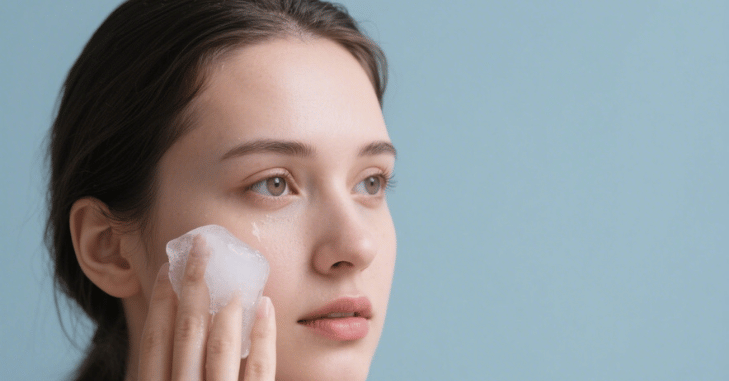
Another underappreciated disadvantage is the psychological impact. The ease and immediacy of ice application can foster a mindset toward short-term solutions. People may become dependent on the quick results of ice without addressing long-term skincare needs.
This can lead to neglect of more essential routines like proper hydration, diet, consistent product use, and stress management. In temporary solutions, a false sense of security might ultimately delay achieving real skin health.
Conclusion
While rubbing ice on your face can offer a temporary burst of coolness and a brief improvement in appearance, it’s not without its fair share of risks. From skin damage and dryness to broken capillaries and ice burns, the disadvantages can be quite serious if not carefully managed.
If you’re considering ice as a part of your skincare routine, it’s best to consult a dermatologist who can help you understand whether it’s appropriate for your skin type and condition. Remember, when it comes to skincare, lasting results are built on knowledge, consistency, and care, not quick fixes.
Apart from that, if you are interested to know about “Halloween Costume Ideas: Creative, Trendy, and Fun Options for Every Style, Personality, and Age Group” then visit our “Fashion” category.
FAQs
Yes, direct contact with ice can cause skin damage, such as frostbite, redness, or irritation, especially if it is left on the skin too long.
People with sensitive skin may experience irritation, burning sensations, or even broken capillaries due to the extreme cold.
Absolutely. Ice can worsen rosacea and trigger flare-ups. While it may temporarily reduce acne inflammation, it doesn’t treat the root cause and may irritate acne-prone skin further.