

A lie bump is a small, sore bump that appears suddenly on your tongue. Its medical name is transient lingual papillitis, or TLP. Most cases disappear within a few days without medical treatment. These bumps often appear red, white, or slightly yellow. They usually affect the tip or sides of the tongue. Pain, burning, or tenderness can make eating uncomfortable.
| Key fact | What to know |
|---|---|
| Medical name | Transient lingual papillitis |
| Typical appearance | Small red, white, or yellowish tongue bump |
| Common location | Tip or sides of the tongue |
| Typical duration | A few hours to several days |
| Common symptoms | Soreness, burning, tenderness, or tingling |
| Usually serious? | No, most cases are harmless |
| When to seek care | If a bump lasts about two weeks or causes concerning symptoms |
Direct answer: A lie bump is usually an irritated or swollen papilla on your tongue. It can hurt despite its tiny size. Most cases settle within several days. Avoid irritating foods, keep your mouth clean, and have persistent or unusual tongue changes checked by a dentist or healthcare professional.
What Is Transient Lingual Papillitis?
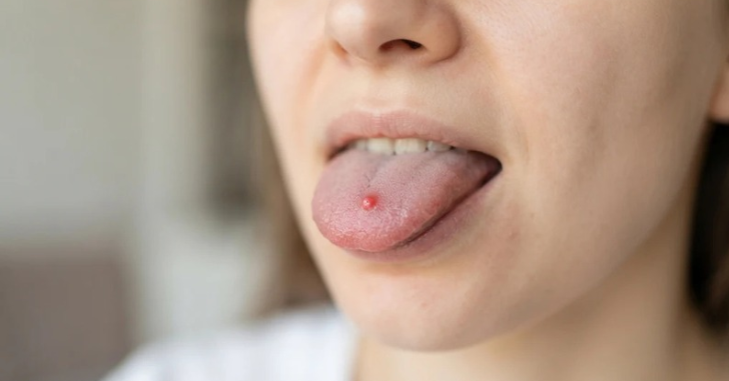
Your Lie Bump tongue contains small surface structures called papillae. Some papillae contain taste buds and help sense temperature. Transient lingual papillitis develops when certain papillae become inflamed or swollen. The nickname comes from an old superstition about people developing tongue bumps after lying. There is no medical connection between dishonesty and these bumps. The colorful name simply remained in everyday language. The classic form often causes one or several tender bumps. Other forms can involve larger areas of the tongue. An eruptive form occurs mainly in children and may include fever or swollen lymph nodes.
What Causes a Lie Bump on the Tongue?
Doctors do not always identify one specific cause. Minor irritation appears to play an important role in many cases. Several possible triggers have been reported across dental and medical sources. Possible triggers include the following.
* Accidentally biting or rubbing your tongue * A sharp tooth or dental filling * Braces or another dental appliance * Spicy, sour, or acidic foods * Very hot foods or drinks * Certain oral-care products * Stress or poor sleep * Hormonal changes * Possible food sensitivities
These factors should be viewed as possible associations rather than guaranteed causes. Research has not established one universal trigger. Some episodes appear without any obvious explanation.
What Does It Look and Feel Like?
A typical bump can resemble a tiny red or white pimple. It usually forms on the front, tip, or side of the tongue. The affected area can feel surprisingly painful for its size. You may notice burning, tingling, or sharp tenderness. Spicy or acidic foods can make that discomfort more noticeable. Talking or eating may also irritate the swollen area. Not every tongue bump represents this condition. Canker sores, infections, geographic tongue, and other oral problems can appear differently. Persistent changes deserve professional evaluation rather than self-diagnosis.
How Long Do These Tongue Bumps Last?
Most classic cases improve quickly. Medical and dental sources commonly describe recovery within several hours to several days. Some widespread forms can last longer. The Cleveland Clinic says symptoms usually disappear within a few days. Recent dental guidance gives a similar timeframe of roughly one to three days. The exact duration varies between people and types. A spot remaining for around two weeks should not be assumed harmless. Persistent mouth changes can have several causes. A dentist or healthcare professional should examine anything that fails to heal normally.
How to Ease the Pain at Home
Most cases do not require specific medical treatment. The main goal is reducing irritation while the tongue heals. Gentle care can make eating and drinking more comfortable. You can try these simple measures:
* Drink cool water. * Choose soft, bland foods. * Avoid spicy or acidic foods temporarily. * Avoid extremely hot drinks. * Rinse gently with salt water. * Brush your tongue carefully. * Keep drinking enough water. * Avoid rubbing the sore area against your teeth.
Do not squeeze, cut, scrape, or pop the bump. It is not a skin pimple containing material that needs draining. Picking at it can injure the tongue and worsen irritation. Harsh home remedies can backfire, as the disadvantages of rubbing ice on the face show, so keep care gentle. Ask a pharmacist, dentist, or doctor before using medicated oral products. This advice becomes more important for children or people taking other medicines. Product instructions should always be followed carefully.
Lie Bumps vs. Canker Sores
These conditions can both cause painful mouth spots. They are not the same problem. Their appearance and location can help distinguish them.
| Feature | Transient lingual papillitis | Canker sore |
|---|---|---|
| What it affects | A swollen tongue papilla | An ulcer in mouth tissue |
| Typical appearance | Raised red or white bump | White or yellow center with red edge |
| Common location | Often tongue tip or sides | Lips, cheeks, gums, or tongue |
| Typical duration | Usually several days | Often one or two weeks |
| Contagious? | Classic form is not considered contagious | Not contagious |
A canker sore is an actual ulcer rather than a swollen papilla. It often takes longer to heal. A dentist can help when appearance or symptoms make the difference unclear.
Are Lie Bumps Contagious?
The common classic form is not generally considered contagious. You should not expect to spread it through kissing or sharing drinks. It results from inflamed tongue papillae rather than a typical contagious infection. There is an important exception involving eruptive lingual papillitis. This form occurs mainly among children and may spread within families. Fever and swollen lymph nodes can accompany it. Parents should seek medical advice when a child develops widespread tongue bumps with fever. Similar symptoms can occur with other illnesses. An examination can help identify the correct cause.
When Should You See a Dentist or Doctor?
A short-lived lie bump usually needs only observation and gentle care. A lasting or changing tongue lesion deserves more attention. Duration is one of the simplest warning signs to watch. Arrange an evaluation if you notice any of the following.
* A bump lasting about two weeks * Increasing size * Bleeding * Persistent severe pain * Repeated bumps in the same location * Trouble eating or drinking * Numbness * Difficulty moving your tongue * Fever or swollen neck glands * A firm or thickened area * Persistent red or white patches
Seek urgent medical attention for sudden major tongue swelling or breathing difficulty. Those symptoms can indicate a serious allergic reaction or another emergency. They should not be treated as ordinary tongue irritation.
Can You Prevent Them?
There is no guaranteed prevention method because the exact cause remains uncertain. Avoiding repeated irritation may reduce episodes for some people. Pay attention to patterns surrounding each flare. For example, notice whether symptoms follow tongue biting, sour candy, spicy meals, or dental irritation. A sharp tooth or poorly fitting appliance may need professional adjustment. Good oral hygiene also helps maintain a healthier mouth. Recurring episodes are usually not dangerous by themselves. Still, repeated changes deserve discussion during a dental visit. Your dentist can check for mechanical irritation or another oral condition.
The Bottom Line
These tiny tongue bumps are usually temporary swollen papillae. They often settle without treatment after several days. Gentle care and avoiding irritation are usually enough. Pay attention when a spot behaves differently from a typical short-lived bump. Seek care for persistent, growing, bleeding, or otherwise concerning changes. A professional examination can distinguish harmless inflammation from another oral condition.
Frequently Asked Questions
What is a lie bump?
It is an inflamed or swollen papilla on the tongue. Doctors call the condition transient lingual papillitis. It commonly causes a small, tender red or white bump.
How quickly does it disappear?
Many cases improve within a few days. Some disappear within hours, while broader inflammation can last longer. A spot persisting around two weeks should be examined.
Should you pop one?
No. These bumps are swollen tongue structures rather than ordinary pimples. Cutting or squeezing them can injure sensitive tissue.
Can spicy food cause one?
Spicy or acidic foods are possible irritation triggers. Researchers have not proven a single cause for every case. Avoid foods that clearly worsen your symptoms while healing.
Is it dangerous?
Most classic cases are minor and temporary. Persistent, growing, bleeding, or unusual tongue changes need professional assessment. Trouble breathing or sudden severe tongue swelling requires urgent medical attention.