
Introduction
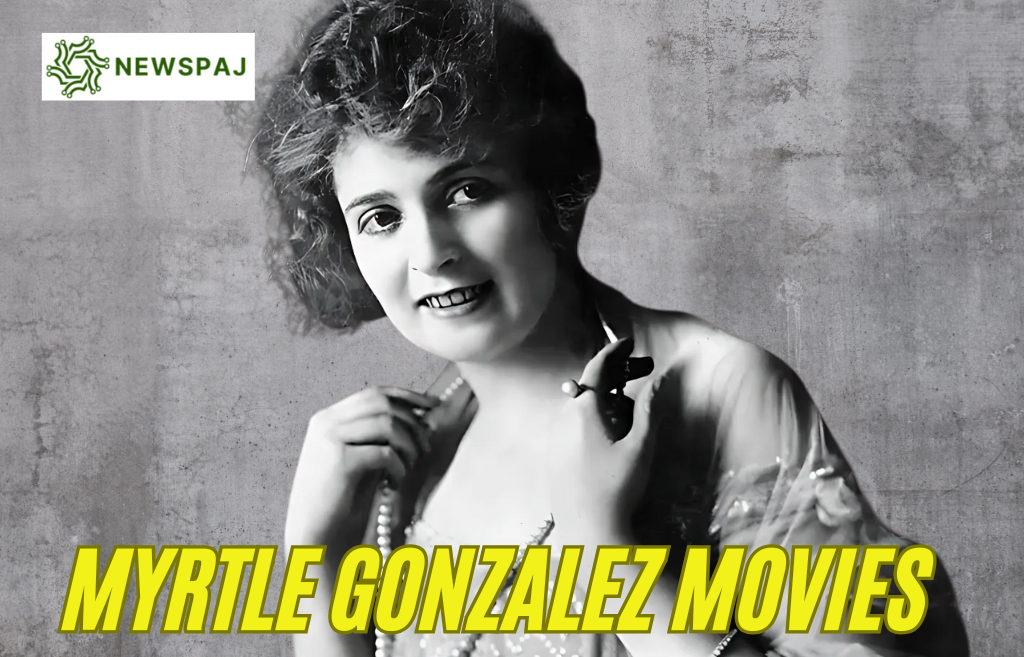
Myrtle Gonzalez was a trailblazing actress of the silent film era, celebrated as one of the first Latina stars in Hollywood. Born on September 28, 1891, in Los Angeles, California, she was known for her striking appearance, standing 5 feet 7 inches tall, and ability to convey powerful emotions on screen.
Notable Myrtle Gonzalez Movies like “The Chalice of Sorrow” (1916) and “The Little Diplomat” (1913) took off her career in the 1910s, solidifying her place in cinema history. Despite her untimely death at 27 during the 1918 Spanish Flu pandemic, her net worth of around $5 million reflected her success and legacy.
| Myrtle Gonzalez’s net worth | Around $5 million USD |
| Career | Silent film actress active between 1913 and 1917, known for roles in melodramas. |
| Myrtle Gonzalez Movies | The Chalice of Sorrow (1916) Mutiny (1917) The Little Diplomat (1913) |
| Myrtle Gonzalez’s Height | 5 feet 7 inches (170 cm). |
| Husband | Allen Watt (married in 1917). |
| Age | Died at the age of 27. |
| Education | Not widely documented; presumed to have received a basic education. |
| Known For | Being one of the first Latina actresses in Hollywood and silent film roles. |
| Died on | October 22, 1918, in Los Angeles, California, due to the Spanish Flu. |
| Current Residency | Deceased. |
| Parents | Manuel Gonzalez (father) and Lillian Cook Gonzalez (mother). |
| Zodiac Sign | Libra. |
| Wikipedia Link | …/wikipedia.org/wiki/Myrtle_Gonzalez |
Myrtle Gonzalez’s Notable Silent Film Roles
Myrtle Gonzalez made a significant mark during the silent film era by appearing in dozens of films that showcased her range across drama, romance, adventure, and western genres. She starred in Vitagraph productions such as The Kiss (1914) and The Courage of the Commonplace (1913), where her expressive performances helped convey emotion without sound — a defining skill of silent cinema. After moving to Universal Studios, she took lead roles in feature-length dramas and action-oriented stories like The Chalice of Courage (1915), The Greater Law (1917), and Mutiny (1917), often portraying resilient and dynamic characters set against natural environments. These works not only highlight Gonzalez’s versatility as an actress but also reflect the evolving landscape of early Hollywood filmmaking during the 1910s.
Myrtle Gonzalez’s Rise to Stardom: A Pioneer in Silent Film
Myrtle Gonzalez was a trailblazer in the early days of Hollywood, known for her significant contributions to silent cinema. Born on September 28, 1891, in Los Angeles, California, Gonzalez rose to prominence during the 1910s, when silent films dominated the entertainment industry. As one of the earliest Latina actresses in American cinema, Gonzalez broke barriers and achieved nationwide fame through her expressive acting and natural talent.
Her acting career began with stage performances in her hometown, showcasing her innate ability to captivate audiences. Myrtle’s breakthrough came when she joined the renowned Vitagraph Studios, one of the leading film production companies of the era. Here, she starred in a range of silent films, quickly cementing her place as one of the most sought-after actresses of her time.
A Closer Look at Myrtle Gonzalez’s Iconic Movies

Though limited due to her untimely death, Myrtle Gonzalez’s filmography remains a testament to her talent and versatility as an actress. Her most notable works include dramas, romances, and adventure films, many of which highlighted her ability to convey deep emotion without relying on dialogue.
Notable Myrtle Gonzalez Movies
- “The Chalice of Sorrow” (1916): This melodrama remains one of her most iconic performances, showcasing her aptitude for playing emotionally complex characters.
- “The Little Diplomat” (1913): A delightful silent film that revealed her range as an actress and cemented her status as a leading lady.
- “Mutiny” (1917): One of her final roles, this film illustrated her ability to tackle adventurous and dramatic themes.
- “Her Husband’s Friend” (1913): A less-remembered but equally compelling role that showcased Myrtle’s charm and ability to captivate her audience.
Unfortunately, many of Myrtle Gonzalez’s films have been lost due to the fragile nature of early cinematic materials. However, her surviving works continue to be studied and celebrated by historians, highlighting her contributions to the silent film era.
Myrtle Gonzalez in TV Shows: A Brief Insight

Myrtle Gonzalez’s prominence predates the advent of modern television, which emerged decades after her death. However, her work in silent films can be considered a precursor to the serialized storytelling that later became popular on TV. While she did not appear in TV shows as we know them today, her cinematic storytelling paved the way for future television narratives.
Myrtle Gonzalez’s Age and Early Achievements
Myrtle Gonzalez was just 22 years old when she began her career in silent cinema, and by the age of 27, she had already achieved remarkable fame. Her youthful energy and passion for acting allowed her to stand out in a rapidly growing industry.
During her five-year career in Hollywood, Myrtle Gonzalez became one of the most celebrated actresses of her time, proving that age is no barrier to success when accompanied by talent and determination. Her contributions to an era dominated by male creatives and a lack of diversity are particularly noteworthy. As a Latina actress in the early 20th century, Myrtle overcame societal barriers, opening doors for future generations of diverse performers.
Myrtle Gonzalez’s Height and Screen Presence

Myrtle Gonzalez’s striking screen presence contributed to her popularity, as she stands approximately 5 feet 7 inches tall. Her height—above average for women of her time—combined with her natural beauty and expressive features allowed her to dominate the screen effortlessly.
Myrtle’s statuesque appearance and graceful movements made her a captivating figure in silent cinema, where visual storytelling was key. Additionally, her physicality lent itself well to a wide range of roles, from damsels in distress to strong, independent women—a reflection of her versatility as an actress.
The Cause of Myrtle Gonzalez’s Tragic Death
Myrtle Gonzalez’s life and career were cut short when she passed away on October 22, 1918, at 27. Her death was attributed to complications from the Spanish Flu, which swept across the globe during the 1918 influenza pandemic. As one of the deadliest pandemics in history, the Spanish Flu claimed millions of lives worldwide, including Myrtle’s.
Her death shocked the entertainment industry and left her fans mourning the loss of one of silent cinema’s brightest stars. Myrtle’s passing highlighted the fragility of health during that era and the fleeting nature of her promising career. Despite her untimely death, her legacy continues as a symbol of resilience and groundbreaking artistry.
Myrtle Gonzalez’s Career and Net Worth
Although financial records from the silent film era are sparse, Myrtle Gonzalez enjoyed considerable success during her career. As one of the leading actresses of her time, she undoubtedly earned a significant income for her work with major production companies such as Vitagraph Studios.
Myrtle’s net worth, while not documented in detail, is estimated to have been substantial given her popularity and the number of films she appeared in. However, her wealth pales in comparison to the artistic legacy she left behind. Her influence on early Hollywood far outweighs any monetary measure of her success as a lasting reminder of her contributions to the industry.
The Legacy of Myrtle Gonzalez
Myrtle Gonzalez’s influence on Hollywood is multifaceted, encompassing her role as a pioneering Latina actress and her contributions to the silent film era. Despite her brief career, her impact resonates even today, particularly as discussions around diversity and representation in Hollywood continue to grow.
Myrtle Gonzalez broke barriers at a time when roles for women, especially women of color, were severely limited. As one of the first Latina actresses to achieve widespread fame, she laid the groundwork for greater representation in the entertainment industry.
Her ability to captivate audiences without spoken words showcased her extraordinary talent and cemented her place as one of silent cinema’s most iconic figures. Film historians and enthusiasts continue to celebrate Myrtle’s accomplishments, preserving her films and honoring her memory as one of the foundational figures of early Hollywood.
Her story serves not only as an inspiration to aspiring actors but also as a reminder of cinema’s history and evolution. More importantly, Myrtle’s legacy extends beyond her movies. She is remembered as a symbol of perseverance, artistry, and cultural significance in a time when opportunities for women and minorities were limited. Myrtle Gonzalez opened doors for future generations of performers through her work, leaving an indelible mark on the entertainment industry.
Conclusion
Myrtle Gonzalez’s influence on cinema extends beyond her captivating performances in films like “The Chalice of Sorrow” and “Mutiny.” Her ability to shine in dramatic and adventurous roles set her apart as a talent ahead of her time. These popular Myrtle Gonzalez movies continue to inspire film enthusiasts and remind us of her pioneering spirit.
Although her career was tragically cut short, her contributions to Hollywood’s golden age remain cherished. Myrtle Gonzalez’s legacy celebrates her artistry and honors her role as a trailblazer for women and Latina representation in film.
Are you curious to read another amazing article on “Exploring the Legacy of Paul Walker’s Movies: A Journey through Iconic Roles and Diverse Performances“?, then visit and explore our “Entertainment” category.
Frequently Asked Questions (FAQs)
Myrtle Gonzalez, the American actress, had an estimated net worth of $5 million at her death.
Due to its low cost and strength, aluminum is homeowners’ preferred material type.
Myrtle Gonzalez passed away on October 22, 1918, at 27.
Myrtle Gonzalez was active in films primarily during the early 1910s, a formative period in the development of American cinema.
Myrtle Gonzalez was famous for her work in silent films, especially for portraying strong and expressive female characters in dramas, westerns, and adventure films.






 and “The Little Diplomat” (1913) took off her career in the 1910s.)