
Introduction
These intense emotional experiences are often attributed to what many call a “what is a soul tie.” Soul ties are fascinating yet mysterious connections that can significantly impact one’s emotional and spiritual well-being. They can manifest as deep feelings of attachment, unshakable thoughts about someone, or even an inexplicable sense of unity or conflict with another person.
Whether experienced as love, longing, obsession, or peace, these connections can shape how we navigate relationships and our growth journey. While the concept is often rooted in spiritual or religious beliefs, it also resonates psychologically, reflecting the lasting emotional impact certain connections have on our lives.
Here’s a detailed table about “What Is a Soul Tie” that summarizes key aspects in a clear and organized way:
| Aspect | Description |
|---|---|
| Definition | A soul tie is a deep emotional and spiritual connection between two individuals, often formed through intimacy, strong emotional bonds, or shared experiences. |
| Common Sources | Romantic relationships, sexual encounters, close friendships, family ties, trauma bonding, spiritual practices, or verbal commitments. |
| Spiritual Perspective | Often seen as invisible cords that bind souls together, sometimes across lifetimes; prevalent in religious and spiritual teachings. |
| Psychological Interpretation | May reflect emotional dependency, unresolved attachment, or the lingering effects of trauma and deep relationships. |
| Types of Soul Ties | – Healthy (mutual support and love) – Unhealthy (toxic or codependent) – One-sided – Temporary – Trauma-based |
| Signs You May Have One | Persistent thoughts, emotional triggers, inability to move on, dreams about the person, obsessive behaviors, energy shifts, spiritual unrest. |
| Positive Effects | Emotional support, spiritual growth, strong trust, sense of belonging, inspiration, and unity. |
| Negative Effects | Emotional pain, obsession, stagnation, difficulty forming new relationships, low self-worth, or spiritual imbalance. |
| How They Form | Through sex, intense emotional vulnerability, shared trauma or hardship, repeated interaction, verbal vows, and spiritual rituals. |
| How to Break Unhealthy Ties | – Acknowledgment & acceptance – Prayer or meditation – Forgiveness – Energy cleansing – Therapy – Setting boundaries |
| Duration | Can be short-term or lifelong; some fade over time, while others persist until consciously addressed and resolved. |
| Cultural & Religious Views | Found in Christian, spiritual, and metaphysical teachings; also echoed in psychology through concepts like attachment theory. |
| Purpose or Lesson | Some believe soul ties teach life lessons, support spiritual evolution, or highlight unresolved emotional patterns. |
What is a soul tie?
A soul tie is a deep emotional and spiritual connection between two people, often formed through intense experiences such as close friendships, romantic relationships, or sexual encounters. This bond can be positive or negative, depending on the nature of the relationship.
Soul ties may create unity, trust, and emotional support in healthy relationships. However, in toxic or unhealthy situations, a soul tie can lead to emotional dependency, difficulty moving on, or lingering feelings long after the relationship has ended. Have you ever met someone and felt an instant connection, almost as if your souls were somehow intertwined? Or perhaps you’ve struggled to move on from a past relationship, no matter how much time has passed.
Understanding Soul Ties

A soul tie is believed to be a profound emotional or spiritual connection between two individuals. This bond can develop in various types of relationships, such as romantic partnerships, close friendships, familial bonds, or spiritual associations. While the term is often popularized within religious or spiritual contexts, especially Christianity, it resonates with people from diverse cultural and philosophical backgrounds.
Think of a soul tie as an invisible cord linking your inner being with another person. These ties can influence your emotions, decisions, and even your overall sense of self. Depending on the quality of the relationship, soul ties may bring healing and growth or cause emotional distress and confusion. People who believe in soul ties often report feeling unable to emotionally detach from someone long after the relationship has ended.
These emotional and spiritual bonds are often thought to transcend time and physical presence. Some even believe that soul ties can span across lifetimes, reappearing in different forms to teach lessons or complete unfinished spiritual business. Whether literal or metaphorical, the experience of a soul tie can be powerful and life-changing.
Types of Soul Ties
Healthy Soul Ties
These are formed in relationships rooted in love, respect, trust, and mutual growth. They contribute positively to one’s life, offering support and strength in times of need. Examples include the bond between a loving parent and child, a long-term best friend, or a committed romantic partner. Healthy soul ties often feel like home—comforting, grounding, and uplifting.
Unhealthy Soul Ties
These are typically formed in toxic, codependent, or abusive relationships. They may cause ongoing emotional turmoil, even after physical separation. For instance, someone may feel trapped in negative thoughts about a former partner or experience recurring emotional pain despite knowing the relationship was harmful. These ties can hinder personal growth and make it difficult to embrace new, healthy experiences.
One-sided Soul Ties
Sometimes, one person feels a soul tie more strongly than the other. This can result in emotional imbalance, unreciprocated feelings, or difficulty letting go. These ties are especially painful when one person moves on while the other remains emotionally invested. They often create confusion, heartache, and a lingering sense of rejection.
Temporary Soul Ties
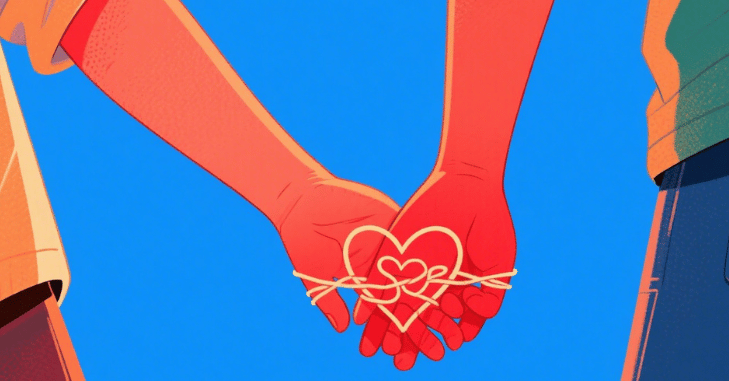
Not all soul ties are permanent. Some connections serve a specific purpose or lesson and then fade over time. A powerful connection with a teacher, mentor, or even a brief romantic encounter can create a temporary soul tie that still leaves a lasting impression. These ties remind us that every relationship has the potential to teach us something important.
Trauma-Based Soul Ties
Sometimes people bond deeply through shared trauma, such as surviving a crisis, losing a loved one, or facing adversity together. While these ties can foster empathy and understanding, they may also lead to enmeshment or emotional dependence if not properly processed.
How Soul Ties Form?
Soul ties can develop through a wide range of interactions and shared experiences. Here are several common ways these emotional and spiritual bonds are formed:
- Intimacy: Emotional or physical intimacy is one of the most powerful catalysts for creating a soul tie. Sex, in particular, is believed to bond individuals on a soul level. This is why some spiritual traditions caution against casual sexual relationships.
- Shared Experiences: Going through significant life events together, such as grieving a loss, raising a child, or enduring hardship, can deepen the emotional connection. Shared journeys often leave indelible marks on our emotional landscape.
- Verbal Commitments: Words have energy and power. When people make vows, promises, or speak declarations of love, they can bind their souls together through intention. These verbal exchanges act like spiritual contracts.
- Spiritual Practices: Joint spiritual practices such as prayer, meditation, or rituals can spiritually link two people, especially when shared beliefs are involved. Shared spirituality can create a profound sense of unity.
- Emotional Vulnerability: Being open and emotionally vulnerable with another person can create a strong sense of intimacy and bonding that leads to a soul tie. Vulnerability builds trust, which is often the foundation of deep emotional ties.
- Repetition and Routine: Frequent and consistent interaction can also establish soul ties. When someone becomes part of your daily life, the habitual emotional investment can form a lasting bond, even unintentionally.
Signs You May Have a Soul Tie

Recognizing a soul tie can help you better understand your emotional patterns and make healthier relationship choices. Common signs of a soul tie include:
- Persistent thoughts about the person, even when you consciously try to forget them
- Deep emotional reactions triggered by specific memories or interactions
- Feeling incomplete, anxious, or unsettled when not around the person
- A strong pull to reconnect, even if the relationship was toxic or ended poorly
- Difficulty forming new relationships because of lingering feelings for a past connection
- A sense of being spiritually or emotionally bound to someone
- Dreams, mental imagery, or sudden emotional shifts associated with that person
- Changes in mood or energy when thinking about or encountering the individual
- Feeling as if part of you is missing or still entangled with the other person
Breaking Unhealthy Soul Ties
Forgiving both yourself and the other person whether or not they apologize helps release emotional baggage and resentment. Forgiveness is not about condoning bad behavior but reclaiming your peace. Many people find spiritual practices such as prayer, visualization, or energy healing to be effective in severing soul ties.
You can visualize cutting the tie or invite divine intervention. Mantras, affirmations, and energy cleansing rituals can also be supportive. Some traditions use specific rituals, like burning letters, symbolic objects, or cleansing ceremonies, If you want to go deeper, read 5150 Meaning Explained.
to break ties. These symbolic acts can help the mind and spirit process the release.
Conclusion
Soul ties are deeply rooted in the human experience and offer a framework to understand the intensity of our emotional and spiritual connections. Whether formed through love, pain, trust, or trauma, these bonds can shape our lives, influence our decisions, and impact our emotional health.
By learning to identify, understand, and navigate soul ties, we empower ourselves to cultivate more meaningful and conscious relationships. If you suspect you have a soul tie, especially an unhealthy one, know that healing is possible. Through intentional effort, spiritual practices, and emotional support, you can reclaim your sense of self and step into a more liberated and balanced life.
Whether you view soul ties through a spiritual lens or as a psychological metaphor, they remain a compelling concept for exploring the depth, beauty, and complexity of human relationships. Embracing this understanding can transform how we love, heal, and grow in connection with ourselves and others.
Apart from that, if you are interested to know about “” then visit our “Daily Bites” category.
FAQs
Yes, many believe soul ties can be broken through self-awareness, prayer, counseling, emotional healing, or intentional separation and forgiveness.
Not quite. A soulmate is generally seen as a perfect match or destined partner, while a soul tie refers to a strong connection that may or may not be healthy or beneficial.
Yes. People can develop multiple soul ties based on relationships and emotional experiences.
A soul tie is a deep emotional, spiritual, or psychological bond formed between two people. It’s often created through close relationships like friendships, romantic involvement, or sexual intimacy.
While the Bible does not use the term “soul tie” directly, the concept is often linked to scriptures that describe two people becoming “one flesh” (Genesis 2:24) or having deep emotional/spiritual bonds (like David and Jonathan in 1 Samuel 18:1).