
Introduction
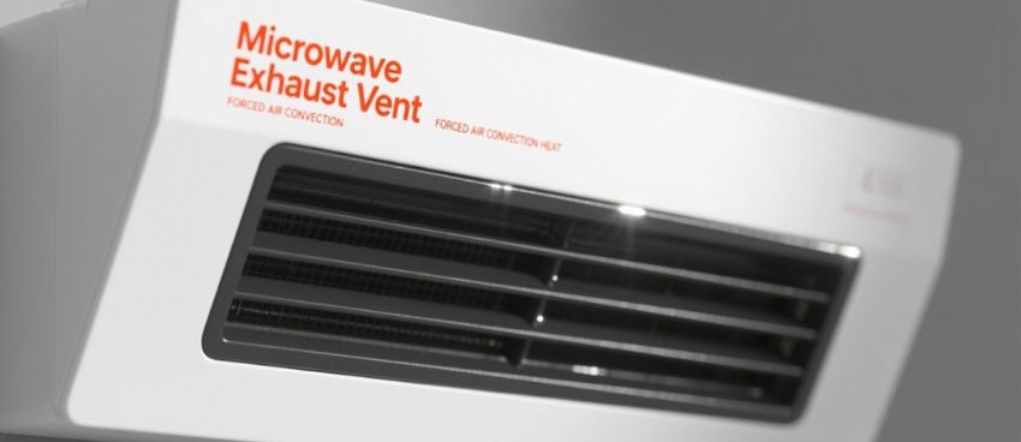
A microwave exhaust vent is vital in modern kitchens, designed to eliminate smoke, moisture, and cooking odors, ensuring a clean and fresh cooking environment. It operates by venting air outside, filtering it, and recirculating it back into the kitchen.
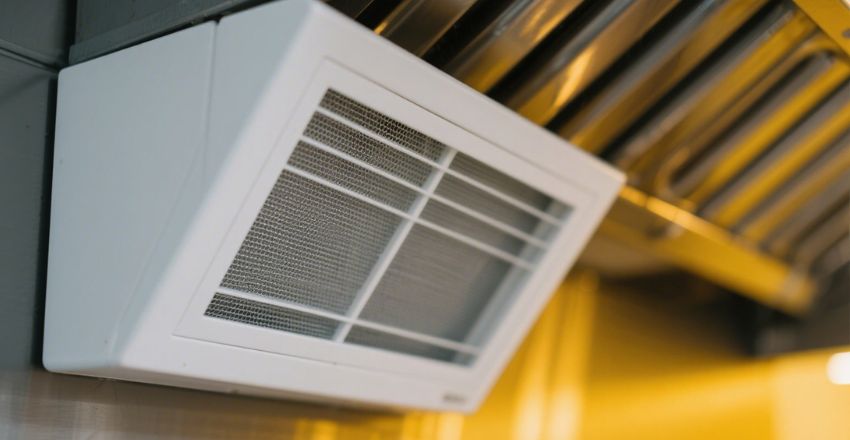
There are two primary types: recirculating vents, which trap grease and odors using filters, and ducted vents, which expel air outdoors. Both systems help maintain a comfortable kitchen space by reducing steam and preventing grease buildup, contributing to improved air quality and cleanliness.
Regular maintenance and correct installation are essential to ensure the microwave exhaust vent functions effectively and provides long-term benefits in maintaining a fresh, odor-free kitchen atmosphere.
| Basics | Description |
| Function | Removes smoke, moisture, and odors, keeping the kitchen fresh. |
| Types | Recirculating (filters air) and ducted (vents air outside). |
| Benefits | Reduces grease buildup, improves air quality, and eliminates lingering smells. |
| Installation | Recirculating is simpler; ducting requires external ductwork. |
| Maintenance | Regularly clean filters and check ducts for optimal performance. |
| Cleaning | Wash filters for recirculating; clean ducts and fan for ducted systems. |
| Signs to Clean | Lingering odors or poor airflow indicate cleaning or filter replacement. |
| Choosing the Right | Choose based on kitchen layout, vent access, and cooking habits. |
| Air Quality | Both types improve air quality by reducing steam, smoke, and grease. |
| Effectiveness | Ducted systems expel air outside; recirculating systems filter and return air. |
| Longevity | Regular maintenance ensures long-term efficiency. |
| Cost | Recirculating is less expensive, and ducted may have higher installation costs. |
Microwave Exhaust Vent
The microwave exhaust vent is a system that helps remove smoke, grease, and moisture produced while cooking. It works by venting the air outside, filtering it, and recirculating it back into the kitchen. There are two main types: recirculating (which uses filters) and ducted (which expels air outside). Regardless of the system, both options help maintain a clean and fresh environment in your kitchen while cooking.
How Does an Exhaust Vent Work?
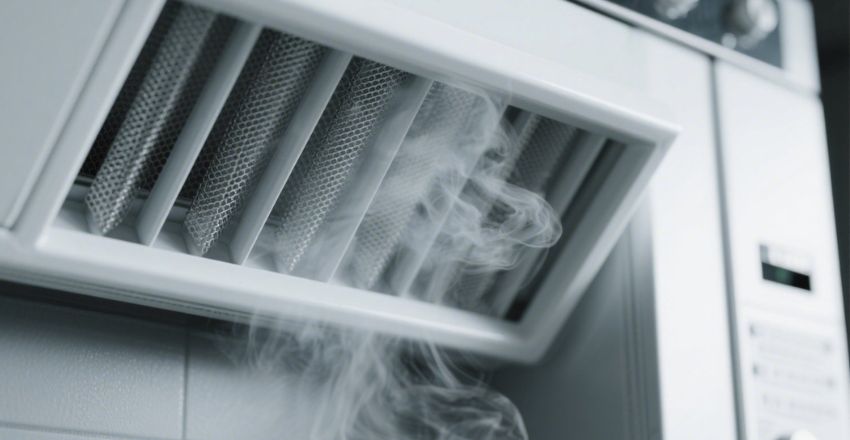
The microwave exhaust pulls air through the vent system using a fan, removing steam, smoke, and cooking odors. In a recirculating system, air passes through filters before being sent back into the kitchen, while in a ducted system, air is vented outside. Both systems help keep the kitchen comfortable by preventing moisture buildup and eliminating unpleasant smells during and after cooking.
Types o
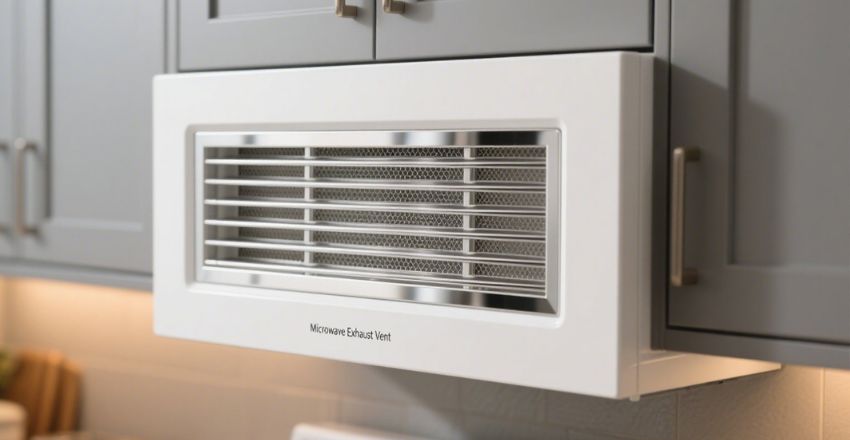
There are two main types of microwave exhaust vents: recirculating and ducted.
Recirculating Vents: These systems use charcoal or carbon filters to trap grease and odors and then recirculate the air back into the kitchen. They are ideal for kitchens without access to an exterior vent.
Ducted Vents: These vents expel the air outside the home through ducts, making them more effective at eliminating moisture and odors. Ducted systems require a proper ventilation route to be installed.
Benefits
- An exhaust vent offers several benefits for your kitchen.
- First, it helps reduce steam and grease buildup, which can cause damage to walls and cabinets over time.
- Additionally, it improves air quality by removing smoke, odors, and excess heat.
- This makes the kitchen a more comfortable cooking space and ensures a cleaner, fresher environment by preventing lingering cooking smells from affecting other rooms.
Installation
Installing a Recirculating System
If you opt for a recirculating microwave exhaust vent, installation typically requires inserting charcoal filters into the microwave system. These filters capture grease and odors before recirculating air into the kitchen. Installation is more straightforward since it doesn’t require an external duct.
Installing a Ducted System
For a ducted system, the installation is more complex. It requires setting up ductwork that channels air outside your home. You’ll need to ensure that your kitchen has access to an external vent and that the ducts are securely installed to direct air outside.
Maintaining
Proper maintenance of the microwave vent is crucial for its longevity and performance. Regular cleaning of the filters, especially in recirculating systems, is essential to ensure the air is properly filtered. For ducted systems, check that the ducts are free of blockages and dust. Also, regularly clean the fan and vent system to keep your microwave exhaust working efficiently.
Signs You Need to Clean
Over time, you may notice signs that your microwave exhaust vent needs cleaning. If you start noticing lingering odors or steam in the kitchen after cooking, it may be time to replace or clean the filters. In ducted systems, poor airflow or strange noises coming from the fan can indicate that the vent is obstructed. Regular maintenance ensures that the vent remains effective in keeping your kitchen fresh.
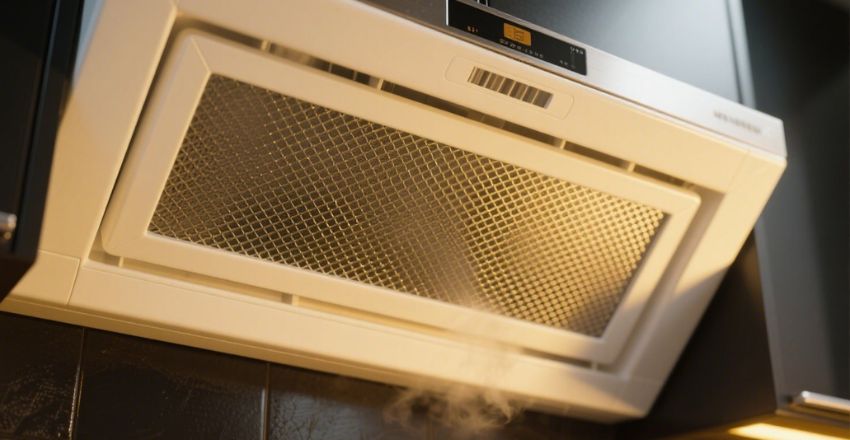
Choosing the Right for Your Kitchen
When selecting a microwave exhaust, it’s essential to consider your kitchen layout. A ducted system will more efficiently expel air outside if your kitchen has access to an exterior vent. If you lack exterior venting options, a recirculating system will suffice. Consider factors like the size of your kitchen, your cooking, and whether you have the space for ductwork before deciding.
How to Clean?
Cleaning your microwave exhaust vent is straightforward and ensures it continues to perform well. For recirculating systems, remove the filters and clean them with warm, soapy water. If the filters are too dirty, replace them. Check the ducts for debris and clean them if necessary for ducted systems. Regularly wipe down the exterior of the microwave and fan to keep grease and dust from accumulating. This maintenance ensures the vent operates effectively.
Conclusion
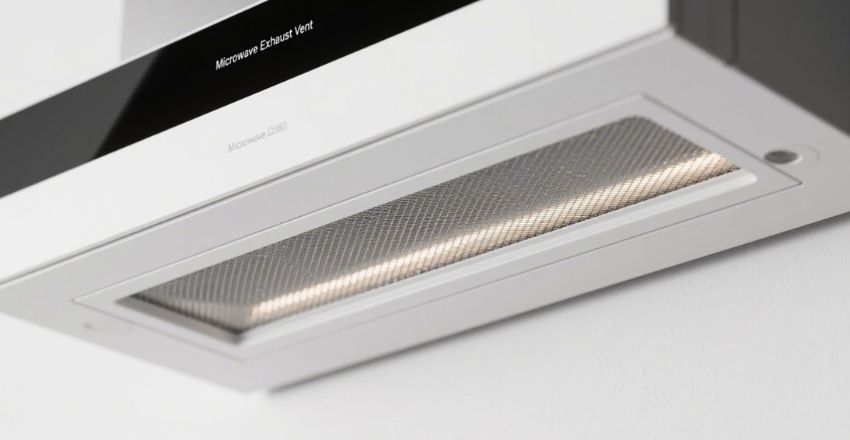
In conclusion, a microwave exhaust vent is essential to any kitchen, offering a practical solution for removing smoke, grease, and odors while cooking. Whether you choose a recirculating or ducted system, both help improve air quality and maintain a comfortable cooking environment. Proper installation and regular maintenance ensure the longevity and efficiency of the system. By incorporating a microwave exhaust, you can enjoy a cleaner, fresher kitchen that enhances your cooking experience.
Apart from that, if you are interested to know about “Small Lamps for Bedroom: The Perfect Blend of Style and Functionality” then visit our “Home Improvement” category.
FAQs
An exhaust vent helps remove smoke, steam, and odors produced during cooking, ensuring a fresh and comfortable kitchen environment.
The two types are recirculating vents (which filter and return air) and ducted vents (which expel air outside).
Signs include lingering odors, poor airflow, or strange fan noises. It is recommended that filters and ducts be regularly cleaned.