

Introduction
Wood picture frames have long been admired for their timeless appeal, natural elegance, and ability to enhance the beauty of any artwork or photograph. Unlike metal or plastic alternatives, wood offers a sense of warmth, texture, and authenticity that makes it a favored material across cultures and interior design styles. Whether framing a cherished family portrait, a fine art canvas, or a personal keepsake, wood frames add both emotional and visual value to the display.
They come in a vast array of wood types such as oak, cherry, walnut, pine, and mahogany, each with distinct grain patterns, tones, and strengths that can dramatically affect the overall aesthetic. From richly carved antique-style frames to sleek, minimalist designs, wood frames can be customized with stains, paints, finishes, or distressing to match virtually any décor.
Their durability makes them ideal for long-term preservation, while their eco-friendly nature, especially when sourced from reclaimed wood, appeals to sustainability-minded decorators. Whether you’re designing a rustic farmhouse living room, a modern gallery wall, or a cozy vintage nook, wood picture frames serve as both functional tools and artistic accents, offering a perfect blend of tradition, character, and sophistication.
| Aspect | Summary |
| Wood Types | Oak, Maple, Cherry, Walnut, Pine |
| Styles | Traditional, Rustic, Floating |
| Finishes | Natural, Stained, Painted |
| Customization | Sizes, carvings, UV glass |
| Care | Dust gently, avoid moisture |
| Eco-Friendly | Reclaimed wood options |
| Where to Buy | Local shops, stores, online |
Wood Picture Frames
Wood picture frames are a timeless and versatile choice for displaying art, photographs, and cherished memories. Known for their natural beauty, they add warmth and character to any room, whether styled in a rustic farmhouse, a sleek modern apartment, or a classic traditional home. The rich textures, unique grain patterns, and warm tones of wood create a frame that is not only functional but also a decorative element.
Wood frames come in various types such as oak, walnut, cherry, pine, and reclaimed wood, each offering a distinct aesthetic and strength. They can be finished in numerous ways, natural, stained, painted, gilded, or distressed, to match any décor or artistic style. Aside from their visual appeal, wood frames are also prized for their durability and longevity, especially when crafted from quality hardwoods and properly maintained.
Furthermore, wood is highly customizable; it can be carved with intricate details for a traditional look, or kept sleek and minimal for a contemporary feel. Whether used to enhance a family photo, a canvas painting, or a special keepsake, wood picture frames provide a perfect balance of form and function, making them a popular and enduring choice for both casual decorators and professional designers.
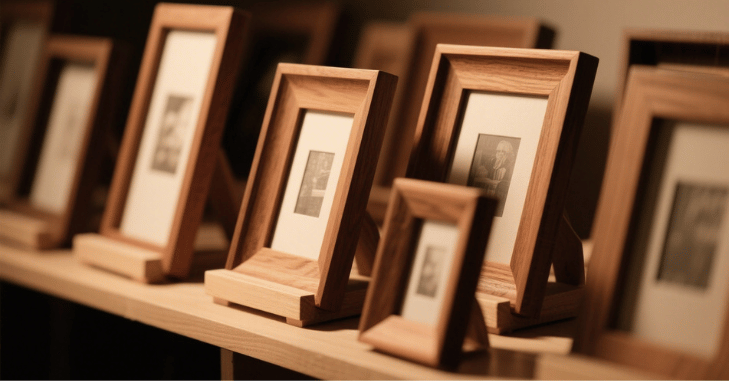
The History of Wood Picture Frames
The origins of wood picture frames trace back to ancient civilizations, including the Egyptians and Greeks, who used carved wood panels to enclose religious icons. However, the more modern version of the wood frame began appearing during the Middle Ages in Europe, especially in churches where religious paintings needed ornate housing.
During the Renaissance, the craftsmanship of wooden frames became an art form itself, with Italian and Flemish artisans’ hand-carving and gilding elaborate designs. Over time, frames evolved from solely functional items to decorative features that complemented or even enhanced the artwork within.
Why Choose Wood Picture Frames?
| Benefit | Description |
| Natural Aesthetic Appeal | Adds warmth, texture, and uniqueness through wood grain, tones, and natural imperfections. |
| Durability | Hardwood frames offer long-lasting strength, often lasting for generations with proper care. |
| Versatility | Complements a wide range of styles—from rustic to modern, vintage to eclectic. |
| Customization | Easily carved, stained, painted, or left natural to suit any personal or interior design preference. |
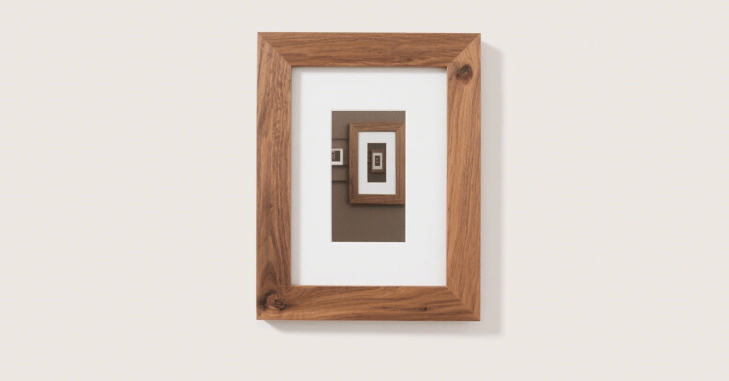
Types of Wood Used in Picture Frames
The type of wood determines the durability, appearance, and cost of a frame. Common woods include:
1. Oak
- Grain: Prominent, coarse
- Color: Light to medium brown
- Best For: Rustic, traditional, and farmhouse styles
2. Maple
- Grain: Fine, consistent
- Color: Light cream to reddish
- Best For: Modern, minimalist aesthetics
3. Cherry
- Grain: Smooth, fine
- Color: Reddish-brown (darkens with age)
- Best For: Elegant, warm interiors
4. Walnut
- Grain: Rich and straight
- Color: Deep brown with hints of purple or gray
- Best For: Sophisticated and classic settings
5. Pine
- Grain: Visible knots and streaks
- Color: Pale yellow
- Best For: Shabby chic, country, or rustic décor
6. Mahogany
- Grain: Fine, linear
- Color: Deep reddish-brown
- Best For: Antique or colonial styles
Popular Styles of Wood Picture Frames
Wood picture frames come in a variety of styles, each suited to different décor themes and artistic presentations. Traditional frames are characterized by their intricate carvings, ornate embellishments, and classic profiles. These frames often carry a sense of grandeur and history, making them perfect for antique artwork and heirloom collections.
For those who appreciate a more lived-in, nostalgic feel, rustic frames are an ideal choice. Made from reclaimed or distressed wood, these frames embrace imperfections, making them perfect for farmhouse, country, or vintage-themed interiors. Another contemporary option is the floating frame, which creates the illusion that the artwork is “floating” within the frame.
Finally, box frames, also known as shadow boxes, are designed with extra depth to house three-dimensional objects or deeper artwork. The sturdy construction of wood in these frames provides both protection and a bold visual presence, making them suitable for memorabilia, collectibles, and layered compositions.
Wood Finishes and Treatments
| Finish Type | Description | Best For |
| Natural Finish | Showcases the raw beauty of the wood grain, often sealed with clear varnish or oil. | Minimalist, organic, or traditional interiors |
| Stained | Enhances the grain while changing the color tone, commonly used for cherry, walnut, and oak. | Elegant and warm environments |
| Painted | Frames painted in solid colors (e.g., black, white, gold) to suit modern or eclectic styles. | Contemporary, playful, or customized décor |
| Gilded | Luxurious finish with gold or silver leaf applied over carved wood, adds a classical touch. | Antique, formal, or museum-style displays |
| Distressed | Mimics aged or weathered wood with chipped paint and rough textures for a rustic appearance. | Farmhouse, shabby chic, or vintage-themed spaces |
Custom Wood Picture Frames
Custom framing allows you to choose:
- Exact dimensions for unusual artwork or photographs
- Personalized profiles, carvings, or corner details
- Specific materials to match other woodwork in your home
- Acid-free backing and UV-protective glass for archival protection
A professional framer can help design a custom wood frame that complements both the artwork and your space.
Choosing the Right Wood Frame for Your Artwork
When selecting a wood picture frame, it’s important to consider the nature of the artwork itself. Photographs typically look best when paired with minimalistic or modern frames, which allow the image to remain the focal point without overwhelming it. In contrast, oil paintings often benefit from ornate, heavy wood frames that enhance their classical and textured appearance.
For abstract or contemporary pieces, floating or box frames are a smart choice as they create a sense of depth and sophistication while keeping the presentation clean and modern. Additionally, matching the frame with your interior design is key to achieving a cohesive look. Wood tones should either complement or subtly contrast your existing furniture and flooring to avoid clashing.
The right frame color and finish can help tie the artwork seamlessly into the overall aesthetic of the space. Finally, consider the frame size and matting. Larger frames with generous matting lend a gallery-like feel, adding formality and space around the artwork. On the other hand, narrow frames without matting can give a sleek, modern edge, perfect for minimalist interiors or smaller art pieces.
Caring for Wood Picture Frames
- Use a soft, dry cloth or feather duster. Avoid sprays or cleaners that may damage the finish.
- Keep frames away from humid areas like bathrooms or direct water exposure to prevent warping or mold.
- Prolonged exposure can fade both the wood and the artwork. Use UV-resistant glass or hang frames in shaded areas.
- Wood-boring insects are rare but can be a risk, especially with antique frames. Regular checks help ensure safety.
Eco-Friendly and Reclaimed Wood Frames
As sustainability becomes a priority, many people opt for eco-friendly or reclaimed wood frames. These are made from:
- Old barns
- Recycled furniture
- Fallen trees
- Demolition sites
Not only do they reduce waste, but they also bring unique character, imperfections, and stories into your home.
Where to Buy Wood Picture Frames
When looking to purchase wood picture frames, there are several types of sources to consider, each offering unique benefits. Local frame shops are ideal for custom framing needs, providing personal service and high-quality craftsmanship. These shops often work closely with customers to ensure the perfect fit and finish for valuable or sentimental pieces. More from us: Peterbald Cat.
Home décor stores such as IKEA, Pottery Barn, or Target offer a variety of stylish, mass-produced wood frames that are both affordable and trendy, making them a convenient choice for everyday framing needs. For a broader and often more unique selection, online marketplaces like Etsy, Amazon, and specialized frame retailers provide access to handmade, vintage, and designer wooden frames.
These platforms cater to diverse tastes and allow for greater customization and variety. Lastly, art galleries sometimes sell custom and limited-edition wood frames that are specifically designed to enhance and protect fine art. These frames are often tailored to meet professional standards, making them a preferred option for collectors and serious art enthusiasts.
Conclusion
In essence, wood picture frames are more than just a border, they are a blend of craftsmanship, style, and functionality that elevate any piece of artwork or photograph they surround. Their enduring popularity lies in their ability to seamlessly adapt to changing design trends while offering the warmth and richness of natural materials.
Whether you opt for a sleek modern maple frame or a rustic reclaimed oak border, wood frames bring charm and personality into your living or workspace. With a wide range of styles, finishes, and sourcing options, from local artisans to global marketplaces, wood frames continue to stand the test of time as the preferred choice for framing with meaning and beauty.
Want to know about “Small Lamps for Bedroom: The Perfect Blend of Style and Functionality” Check out our “Home Improvement” category.
FAQs
Oak, maple, cherry, walnut, and pine are popular options. Each has distinct colors and grain patterns that go well with various types of décor.
Customization options for frames include size, carvings, finish (natural, painted, or stained), and even UV-protective glass to preserve your artwork.
To maintain frames looking their best, dust them lightly with a soft cloth, keep them out of the sun and dampness, and periodically inspect them for damage or bugs.
Wood frames are available at neighborhood frame shops for personalized selections, at home décor stores for reasonably priced styles, or online marketplaces such as Etsy and Amazon for a wider selection.