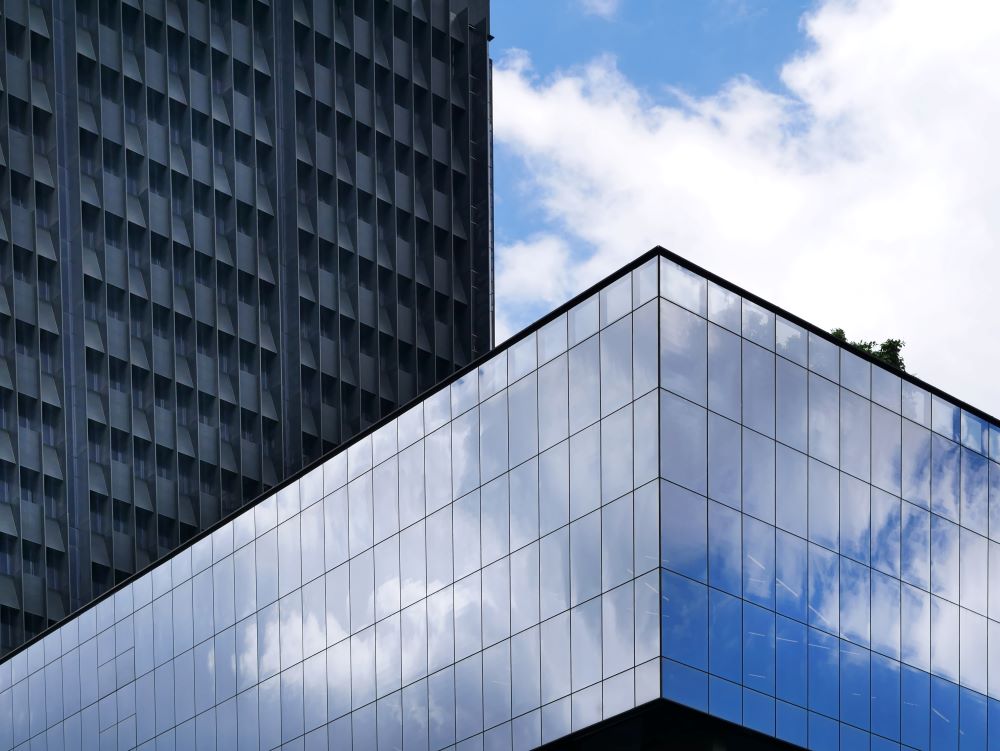
Glass architecture can make any building look sleek, modern, and full of natural light. But while the style may look simple on the outside, creating a glass structure that’s both beautiful and durable takes thoughtful planning. From materials to support systems, there’s a lot that goes into making your design work for the long haul.
Below are the top things you need to bring your vision of resilient and stylish glass architecture to life. Whether you’re working on a home, office, or public space, these essentials can guide your project toward success.
1. High-Quality Glass Materials
The foundation of any strong glass structure is the glass itself. You’ll want to choose materials that are not only visually appealing but also built to handle external pressures like weather, wind, and impact. Tempered glass, laminated glass, and double-glazed panels are popular options because they offer extra strength and insulation. These materials can resist breakage and even reduce noise from outside.
Keep in mind that the glass you choose will affect both safety and energy efficiency. It’s best to talk to a professional about what works best for your climate and building needs. Choosing the right type early on can help avoid costly fixes later.
2. Strong Framing Systems
Even the most durable glass won’t hold up without proper support. Framing systems, typically made of aluminum or steel, are essential to hold the glass in place and maintain structural integrity. The frame must be designed to distribute weight evenly and withstand the forces of nature. Minimalist frames are popular in modern glass architecture, but they still need to be engineered for strength.
Custom options can blend durability with design, ensuring they don’t distract from the glass’s clean look. Always ensure that your framing system complies with local building codes. Consulting with an expert can help match the right frame to your glass choice and architectural style.
3. Proper Insulation and Glazing
Glass buildings are beautiful, but without the right insulation, they can become energy guzzlers. Insulated glazing units (IGUs), also known as double- or triple-glazed glass, help maintain indoor temperatures by reducing heat transfer. This means your heating and cooling systems won’t have to work overtime.
Glazing also helps reduce condensation and blocks out harmful UV rays. In some designs, reflective coatings or low-E glass are used to further control heat and light. Good insulation isn’t just about comfort—it’s also a big factor in long-term energy savings. Make sure your glass panels are paired with efficient sealing systems to prevent air leaks.
4. Customize Drawing for Your Glass Structure
Before anything is built, detailed planning is essential—and that’s where a customize drawing comes in. A customized glass shop drawing maps out the dimensions, materials, and connections specific to your structure. It ensures that all pieces come together seamlessly, both structurally and visually. These drawings take into account load calculations, joinery details, and even aesthetics. It’s a necessary step to avoid miscommunication between architects, engineers, and installers.
Companies like Architectural Communication & Design provide consultation and customize glass shop drawing to guide these types of projects from concept to execution. This extra step can save time, reduce costly mistakes, and bring clarity to your construction team.
5. Weather-Resistant Sealants and Hardware
To keep your glass structure strong and long-lasting, the right sealants and hardware are key. Silicone-based sealants are commonly used because they offer flexibility and durability against weather changes. High-quality gaskets and fasteners made of stainless steel or treated aluminum help prevent corrosion. These elements are often overlooked, but they play a huge role in maintaining the airtightness and water resistance of the structure.
Without them, even the best glass can become vulnerable to leaks or structural damage. Regular inspection and maintenance of these components are also important. Investing in the right products upfront makes your building more secure and less prone to early wear.
6. Aesthetic Enhancements and Functional Features
A glass structure isn’t just about transparency—it’s also about design. Tinted, frosted, or patterned glass can add both privacy and style. You can even incorporate smart glass that adjusts opacity with the touch of a button. Skylights, glass walls, and curtain walls all offer unique ways to play with light and space.
Think about how your building will interact with natural sunlight throughout the day. Creative design choices can help your space feel more open, warm, and visually appealing. Just make sure any enhancements don’t compromise the structural integrity of your build.
7. Professional Installation and Ongoing Maintenance
Lastly, even the most well-designed structure needs expert hands to bring it to life. Professional installation ensures that each component—glass panels, frames, sealants—is placed correctly and securely. It’s not a DIY project; incorrect installation can lead to issues like water leaks, shifting panels, or safety hazards.
After construction, regular maintenance is necessary to keep your glass looking clear and functioning well. This includes cleaning, resealing, and inspecting for wear and tear. Partnering with experienced professionals from start to finish can make a big difference in the outcome. It’s an investment that pays off in the building’s longevity and performance.
Conclusion
A glass structure can be a stunning addition to any environment, but getting it right involves more than just picking pretty panels. By focusing on quality materials, custom planning, strong support systems, and professional guidance, you can create a space that stands the test of time—while turning heads along the way.
If you want to know more about What is a Screened Lanai Porch? then visit our Home Improvement category.