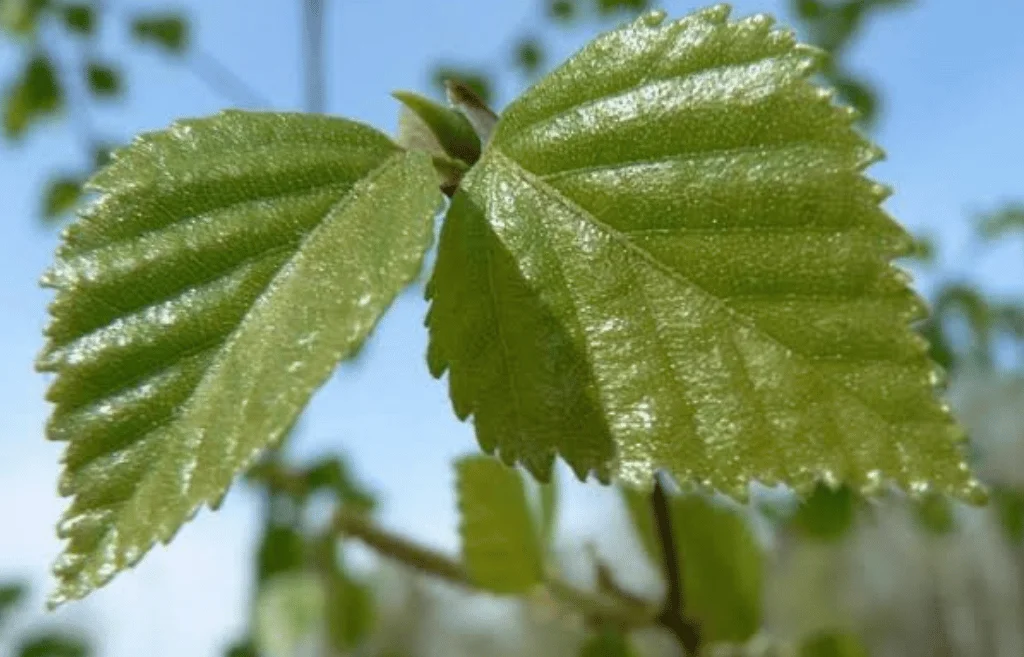
If you’re asking what color is birch, the simplest answer is a pale, warm neutral. Natural wood often ranges from creamy white to light yellow-brown. Bark and heartwood can introduce white, bronze, reddish-brown, or darker brown tones.
Birch usually appears creamy white, pale beige, or light yellow-brown when people describe natural wood. Sapwood tends to look lighter, while heartwood may show warmer reddish-brown tones. Bark varies more widely by species, so “birch” does not describe one fixed color or universal hex code.
Birch Color at a Glance
| Feature | Typical Appearance |
|---|---|
| Natural sapwood | Creamy white to pale yellow |
| Heartwood | Light reddish-brown to warmer brown |
| Paper birch bark | White on mature trees |
| Yellow birch bark | Yellowish-bronze |
| Undertone | Usually warm or warm-neutral |
| Grain | Fine and relatively uniform |
| Common décor impression | Light, natural, soft, Scandinavian |
| One universal hex code? | No |
U.S. Forest Service material describes yellow birch with white sapwood and light reddish-brown heartwood. Sweet birch has light sapwood with darker, red-tinged brown heartwood. These differences explain why furniture labeled with the same wood name can look noticeably different.
Key Takeaways
- Natural wood is usually creamy white, pale beige, or light yellow-brown.
- Heartwood can introduce reddish or golden-brown tones.
- Paper birch is famous for mature white bark.
- Yellow birch has yellowish-bronze bark.
- The natural tone generally feels warm rather than cool.
- Stain, clear finish, age, and lighting can change its appearance.
- There is no single official hex code representing every use of the name.
What Color Is Birch Wood Naturally?
Fresh, unfinished wood commonly has a light and understated appearance. The pale sections may look cream, ivory, or softly yellow depending on lighting. That gentle coloring makes the material popular for bright furniture and contemporary interiors.
Yellow birch provides a useful U.S. example. The Wood Database describes its heartwood as light reddish-brown and its sapwood as nearly white. Growth rings also show little color contrast, giving many boards a fairly even appearance.
This variation means two boards can differ while both remain natural. One may appear almost ivory, while another looks noticeably warmer and browner. The tree species and the board’s position within the trunk both affect its final appearance.
Sapwood and Heartwood Create Different Shades
Sapwood is the lighter outer portion of a tree’s usable wood. In this species group, it often produces the creamy appearance associated with pale furniture. Manufacturers may select light boards when they want a clean and consistent finish.
Heartwood develops deeper color toward the center of the trunk. USDA material describes yellow-birch heartwood as light to dark red-brown. That creates greater variation in cabinets, veneers, flooring, and other finished products.
A clear coating can make these warm tones easier to see. Oil-based finishes may also increase the amber appearance. Painted or heavily stained pieces can look completely different from unfinished lumber.
Is the Bark the Same Color as the Wood?
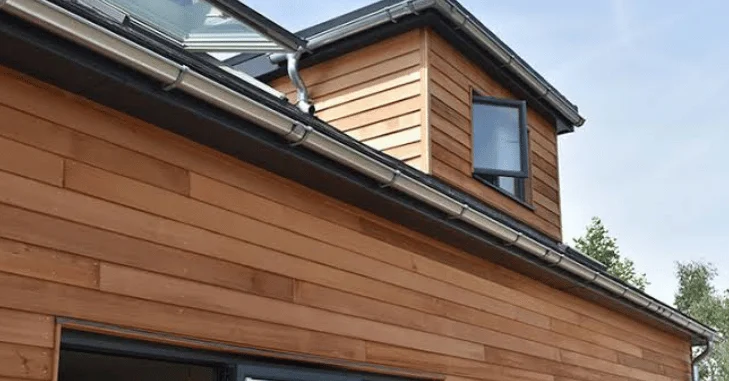
The bark and lumber should not be treated as the same color. Mature paper birch is known for striking white bark with dark markings. Young trees may remain golden or brown before their bark develops the familiar white appearance.
Yellow birch looks different from that familiar white-barked image. Its bark develops a yellowish-bronze appearance and often peels in narrow strips. Older examples can develop thicker yellow-brown plates.
This distinction matters when choosing a design reference. A “birch bark” palette may emphasize white, gray, bronze, and brown. A natural-wood palette will usually emphasize cream, beige, pale gold, and soft reddish-brown.
Is Birch a Warm or Cool Color?
Natural light-toned wood usually reads as warm or warm-neutral. Cream, pale yellow, and soft golden undertones create that effect. Its warmth is generally quieter than orange-toned oak or strongly red cherry.
Room lighting can change the effect considerably. Warm bulbs bring out yellow and honey notes, while cooler daylight can make pale surfaces look closer to ivory. Nearby wall colors and flooring also affect how your eye reads the wood.
For bedrooms, its light character works well with other pale furniture. The newspaper’s guide to light wood nightstands covers several light species and decorating styles. That comparison can help when matching bedside furniture with an existing floor or bed frame.
What Colors Go Well With Natural Birch?
Soft neutrals make an easy starting point because they preserve the wood’s light appearance. White, warm gray, cream, taupe, and muted beige can create a calm room. Black accents can add sharper definition without covering the natural grain.
Earthy colors also pair naturally with pale wood. Sage green, olive, clay, muted terracotta, and soft brown reinforce its organic character. Deep forest green can provide stronger contrast while maintaining a natural palette.
Blue introduces a cooler counterpoint. Dusty blue, slate, navy, and blue-gray can balance warmer wood tones effectively. The result often suits modern, coastal, Scandinavian, or transitional interiors.
Picture frames offer a simple way to repeat wood tones around a room. Newspaj’s wood picture frame guide explains how species, stains, and finishes influence appearance. Matching the undertone usually matters more than finding identical shades.
Does Birch Stay the Same Color Over Time?
Wood color can shift as a finished piece ages. Exposure to light, finish chemistry, and normal oxidation can make pale surfaces appear warmer. The amount of change depends on the individual board and its treatment.
Clear finishes can also change what you see immediately. Some coatings preserve a pale look better, while others add a yellow or amber cast. A small test area provides a better prediction than judging unfinished wood alone.
Sunlight affects furniture unevenly when part of the surface stays covered. Rugs, decorations, or objects may leave protected areas looking different later. Rotating objects occasionally can reduce noticeable unevenness.
Why “Birch” Does Not Have One Universal Hex Code
Online color tools sometimes assign an exact digital value to the word. Those values should not be treated as a scientific standard for the tree or lumber. Different color databases currently assign dramatically different values to the same name.
One database uses a pale beige-gray value, while another uses a golden shade. Another assigns the name to a much darker brown. That disagreement shows why an isolated hex code cannot represent natural material reliably.
For web design, select a digital shade based on the specific sample you want to reproduce. Photograph the surface under neutral lighting and sample that image when accuracy matters. For physical decorating, compare real samples inside the room instead.
How Paper, Yellow, and Sweet Birch Differ
Several species occur in North America, and their appearance is not identical. Paper birch is closely associated with mature white bark and light-colored lumber. Yellow and sweet species can introduce stronger golden, reddish, or brown tones.
| Type | Bark Appearance | Wood Appearance |
|---|---|---|
| Paper | Mature white bark with darker markings | Pale cream to light brown |
| Yellow | Yellowish or bronze bark | White sapwood, reddish-brown heartwood |
| Sweet | Darker bark | Light sapwood, darker red-tinged heartwood |
The U.S. Forest Service identifies paper birch as one of North America’s most widely distributed members of the group. Yellow birch occurs mainly across northeastern North America and parts of the Appalachian region. Both species have long histories in lumber, veneer, landscaping, and specialty products.
Homeowners interested in trees should also consider rules surrounding trimming or removal. The newspaper’s U.S. tree law guide explains common ownership and boundary issues. Local rules can still vary by city and state.
How to Match Birch Furniture With Your Room
Start by identifying whether your furniture looks creamy, yellow, golden, or reddish. Do not rely only on the product’s species label. Two items carrying the same label may have different boards, stains, or protective finishes.
Next, compare the piece with your flooring and largest fixed surfaces. Warm wood usually works easily with cream, warm white, sage, muted blue, and earthy neutrals. Dark charcoal or black accents can add definition when the room feels too pale.
Finally, inspect everything under the lighting you normally use. A sample that looks neutral in a store may appear more yellow at home. Testing paint chips and fabric samples beside the furniture is safer than choosing from a screen.
Frequently Asked Questions
What Color Is Birch?
It is usually a pale, warm wood tone ranging from creamy white to light yellow-brown. Heartwood can add golden or reddish-brown areas depending on species. Bark may be white, bronze, yellow-brown, or darker, so context matters.
Is it closer to white or beige?
Pale sapwood can appear close to creamy white or ivory. Many finished pieces lean slightly warmer and look more beige or pale gold. Stains and clear coatings can move the finished color further toward tan or amber.
Is the wood naturally yellow?
It can have a subtle yellow or golden cast, but it is not normally bright yellow. Some boards remain closer to cream or off-white. Heartwood can introduce stronger brown or reddish tones.
Is white birch completely white?
No natural lumber should be expected to look like pure white paint. Paper birch is especially famous for white mature bark, but its wood remains a natural pale tone. Grain, age, and individual boards create visible variation.
What paint colors pair well with it?
Warm white, cream, sage, muted blue, taupe, and soft gray are dependable choices. Dark green, navy, or charcoal can provide stronger contrast. Test samples beside the actual wood because room lighting can change the pairing.
Does it have one official color code?
No single hex value represents all natural materials, furniture, bark, and paint products carrying this name. Digital color websites also disagree about the exact shade. Use a manufacturer code or sampled physical reference when you need precise matching.
The Bottom Line
The safest description is a light, warm natural color with creamy, yellow, beige, and occasional reddish-brown tones. Wood and bark can look quite different, and individual species add further variation. Finish, age, and room lighting also influence the color you finally see.
For U.S. shoppers and homeowners, judge the actual sample instead of relying on the species name alone. Compare it beside your flooring, walls, and fabrics under normal lighting. That approach gives you a more dependable match than any generic swatch or hex code.