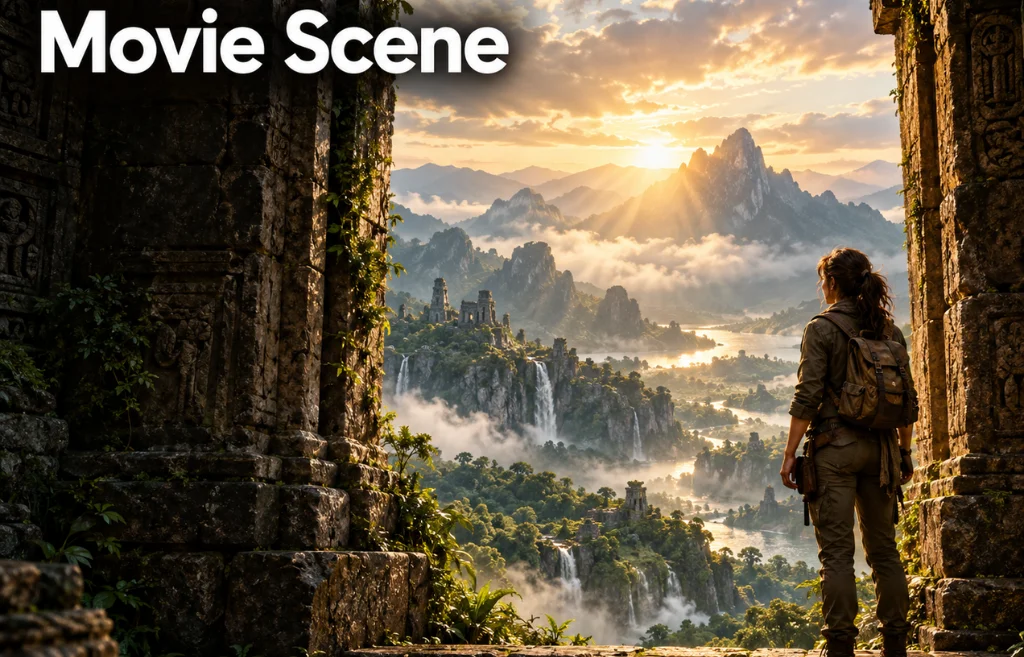
A movie scene is a connected part of a film built around one place, time, action, or dramatic purpose. Scenes move stories forward by revealing characters, creating conflict, delivering information, or changing what happens next. Some last seconds, while others become unforgettable sequences that audiences remember for decades.
Direct answer: A scene is a continuous dramatic unit within a film that presents a specific action, conversation, event, or turning point. Filmmakers combine acting, dialogue, camera work, lighting, sound, editing, and production design to give each scene meaning and connect it with the larger story.
| Key point | What it means |
|---|---|
| Basic definition | A connected unit of action within a film |
| Main purpose | Advance story, reveal character, or create emotion |
| Common elements | Acting, dialogue, setting, camera work, sound, and editing |
| Scene length | Can range from seconds to several minutes |
| Scene versus shot | A scene usually contains several individual shots. |
| Finding a forgotten scene | Search using dialogue, actors, setting, props, or screenshots. |
What Is a Movie Scene?
A scene usually presents one meaningful piece of a larger story. It often takes place within a consistent location and period. The scene ends when the story moves elsewhere, time changes, or the dramatic action shifts. Screenwriters also treat scenes as individual storytelling units. Each useful scene normally gives a character something to want, resist, discover, or decide.
That change helps the audience understand why the scene belongs in the finished film. A scene should not be confused with a shot. A shot is uninterrupted footage captured between camera cuts. One scene can contain dozens of shots edited together to create a single dramatic sequence.
The Main Elements That Make a Scene Work
Strong scenes usually combine several filmmaking choices rather than relying on dialogue alone. Camera position, actor movement, music, lighting, and editing can change how viewers interpret the same words. These elements work together to guide attention and emotion. The setting also provides information before anyone speaks. A crowded courtroom creates different expectations from an empty highway at night.
Costumes, props, weather, and background details can quietly reveal character or establish the film’s tone. Sound adds another layer to the moment. Dialogue can explain information, while music can build tension or suggest emotion. Silence can sometimes become more powerful because viewers expect sound but receive none.
Why Some Scenes Become Iconic
Memorable scenes often combine a clear dramatic idea with a striking image or performance. Viewers remember the moment because something meaningful changes. The scene may reveal a secret, resolve a conflict, introduce danger, or deliver an emotional payoff. Visual simplicity can also make a moment easier to remember. A distinctive costume, unusual prop, recognizable setting, or specific gesture can remain clear years later.
Those details also make forgotten films easier to identify through search. Pop culture can give old scenes a second life. Clips become reaction images, memes, short videos, and social media references. Newspaj’s coverage of the Anakin Padme meme shows how one film moment can gain an entirely different online meaning.
Movie Scene Types You See Most Often
Films use many scene types, although one scene may serve several purposes. Writers and directors choose the form that best advances the story. Recognizing these types also makes film analysis easier.
- Opening scene: Establishes tone, character, setting, or the central problem.
- Dialogue scene: Uses conversation to reveal information, goals, or relationships.
- Action scene: Centers on physical movement, danger, pursuit, or confrontation.
- Emotional scene: Focuses on a major personal reaction or relationship change.
- Exposition scene: Gives viewers information needed to understand later events.
- Flashback scene: Moves temporarily into an earlier period.
- Montage: Combines short moments to compress time or show progress.
- Climax scene: Presents a major confrontation or decisive turning point.
- Closing scene: Resolves the story or leaves viewers with its final idea.
A successful film balances these functions without making every sequence feel identical. Quiet conversations can make later action more meaningful. Action sequences can then change relationships rather than existing only for spectacle.
How to Find a Movie From a Scene You Remember
Remembering one moment while forgetting the title is common. Current search tools increasingly accept descriptions, screenshots, dialogue, and short video clips. The best method depends on what information you still remember. Start by separating clear memories from uncertain guesses. Wrong details about an actor, release year, or ending can weaken a search.
A specific action, location, costume, vehicle, or unusual object often provides a stronger clue.
1. Write Down the Most Distinctive Action
Describe what physically happened instead of describing only the mood. “A frightening hospital scene” could match hundreds of films. “A patient hides beneath a hospital bed while someone searches the room” gives search systems more useful information. Keep the description focused on one moment.
Mixing several remembered sequences can produce conflicting clues. Search one sequence first, then add another only when necessary.
2. Add the Setting and Visual Details
Next, identify where the action happened. Useful settings include airports, schools, courtrooms, spaceships, diners, forests, hotels, and specific city environments. Add weather, lighting, or time period when those details seem distinctive. Objects can narrow results even further. Mention unusual clothing, weapons, vehicles, signs, colors, jewelry, or other memorable props.
A small visual detail sometimes identifies a film faster than its general plot.
3. Search Any Dialogue You Remember
A remembered line can be especially useful when the wording is unusual. Put the most confident words inside quotation marks when using a search engine. Try shorter fragments if you aren’t certain about the exact dialogue. Quote databases and clip indexes can also match spoken lines with films. Some services index large collections of movie and television dialogue. Check the surrounding context before assuming the first result is correct.
4. Use a Screenshot or Short Clip
A screenshot gives visual search tools information that text descriptions cannot provide. Recognizable actors, costumes, buildings, or production designs can quickly narrow possible titles. A clear frame usually works better than a dark or heavily cropped image. Short clips provide even more information. Modern identification services can analyze multiple frames and compare visual details. Results should still be checked against the movie’s plot, cast, and release year.
5. Search by Actor, Decade, Genre, or Country
Partial context becomes useful after you identify the scene’s strongest clues. Add an approximate decade, possible actor, genre, language, or country of origin. Treat uncertain memories as possibilities rather than facts. For example, search “1990s thriller hotel elevator red suitcase” instead of “old thriller movie.” The added details reduce the number of plausible matches.
Remove any detail that repeatedly produces obviously incorrect results.
Scene Versus Sequence: What’s the Difference?
A scene usually represents one connected dramatic event. A sequence is broader and can contain several scenes working toward one larger story objective. The distinction becomes clearer when location or time changes repeatedly. A chase provides a useful example. One part might occur inside a building, followed by another in a parking garage. Those sections can be separate scenes while still belonging to one chase sequence.
The difference matters most when analyzing filmmaking or writing scripts. Casual viewers often use both terms more loosely. Understanding the distinction still makes it easier to discuss how movies are constructed.
How to Analyze a Movie Scene
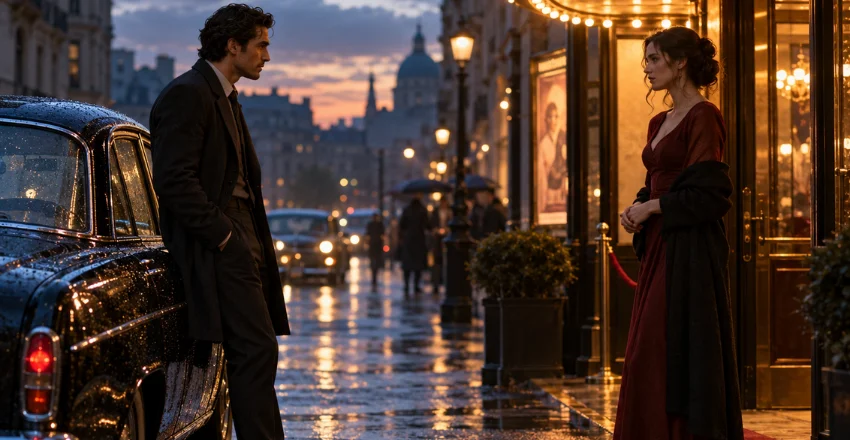
Start by asking what changes between the beginning and end. A character may gain information, lose control, make a decision, or change a relationship. That shift usually reveals the dramatic purpose of the scene. Next, examine how the filmmakers create that change. Watch camera angles, shot size, actor positioning, lighting, sound, and editing rhythm. Notice when the camera moves closer or when the music suddenly disappears.
Finally, connect those techniques with their effect on you. A close-up might increase intimacy or discomfort. Rapid cuts may create urgency, while a long uninterrupted shot can build tension differently. For entertainment readers interested in character and performance, Newspaj also covers performers such as Kimberly J. Brown and Orion Acaba. Studying actors across different projects can reveal how performance choices shape individual moments.
Why Context Changes the Meaning of a Scene
A clip viewed alone does not always mean what viewers assume. Earlier events may explain a character’s expression, motivation, or unusual decision. Later scenes can also reveal information that completely changes an earlier moment. Internet memes make this especially visible. A screenshot can become famous for a joke unrelated to its original dialogue. Audiences may recognize the meme for years before learning what happened in the actual film.
That gap between original context and online interpretation is part of modern film culture. Scenes now circulate independently through TikTok, YouTube, Instagram, Reddit, and messaging apps. A memorable moment can reach viewers who have never watched the complete movie.
Movie Scene FAQ
What does “movie scene” mean?
It is a connected segment of a film showing a specific event, conversation, or dramatic action. It usually has a clear purpose within the larger story. A scene may include several camera shots edited into one continuous dramatic moment.
How long is a typical scene?
There is no fixed length for a scene. Some scenes last only a few seconds, while major dramatic moments can continue for several minutes. Story function matters more than duration.
Is a scene the same as a shot?
No, the terms describe different filmmaking units. A shot is continuous footage between cuts. A scene normally contains multiple shots that together present one dramatic event.
How can I identify a movie from one scene?
Write down the action, setting, characters, props, dialogue, and approximate era you remember. Search the most distinctive combination first. A screenshot or short clip can provide additional clues when text searching fails.
Can AI identify a film from a screenshot?
Some current tools are designed to identify movies from screenshots or short clips. They analyze recognizable visual information and suggest possible matches. Always verify the result using cast, plot, and release information.
Why do scenes become memes?
Scenes become memes when their expressions or visual structure communicate an idea outside the original story. Users then add new captions or contexts. The resulting meme can become more familiar than the original movie dialogue.
The Bottom Line
A great scene is a small story working inside a larger one. It combines character, action, image, sound, and editing to create a meaningful change. Understanding those ingredients makes movies easier to analyze and memorable moments easier to identify. The next time one scene stays in your memory, start with its most unusual detail. Add the setting, action, dialogue, and visual clues before searching. Those specific details give you the strongest chance of finding the right film.