

A pet coyote may seem appealing because the animal looks familiar yet distinctly wild. In the United States, ownership rules vary sharply by state and locality. Legal access also does not erase health, behavior, housing, or public-safety concerns.
| Key question | Short answer |
|---|---|
| Is private ownership legal? | It depends on state and local law, and permits may be required. |
| Is the species domesticated? | No. Hand-raising can change tolerance, but it does not create domestication. |
| Is rabies vaccination straightforward? | No. Current public-health guidance says no parenteral rabies vaccine is licensed for wild animals or wild hybrids. |
| Can a normal backyard work? | It may not meet legal, behavioral, or containment needs. |
| What is the safest first step? | Check your state wildlife agency and local animal-control rules before acquiring or handling one. |
A pet coyote is not simply an unusual dog with extra space requirements. U.S. rules can prohibit ownership or require specialized permits, depending on location. Wild behavior, rabies policy, containment, and long-term welfare make private ownership far more complex than keeping a domestic companion animal.
Key takeaways
- Check state and local rules before taking possession.
- Taming an individual is not the same as domestication.
- Rabies policy creates serious public-health complications.
- Housing must account for digging, climbing, roaming, and escape.
- Domestic dogs and licensed wildlife programs offer safer alternatives.
Is a Pet Coyote Legal in the United States?
U.S. ownership rules are set mainly by state and local law. Washington bars acquiring, selling, buying, or trapping a coyote for a pet. Rhode Island also lists the eastern coyote among native mammals prohibited as pets.
Indiana shows why a national yes-or-no answer can mislead readers. Its Department of Natural Resources lists coyote possession under a Class II wild-animal permit. Local rules can add limits, so a state permit may not settle every issue.
Federal law can matter when wildlife moves through interstate commerce. The Lacey Act restricts commerce involving wildlife taken or possessed in violation of applicable laws. That makes legal sourcing important even when a state permit is available.
Taming Is Not the Same as Domestication
Domestication is a population-level process built across many generations. Hand-raising one animal may increase its tolerance of people. It does not turn a wild species into a domestic dog, which is why the routines described in Newspaj’s Pets section do not transfer to a coyote.
Coyotes retain strong roaming, hunting, territorial, and denning behaviors. National Park Service guidance notes that family territories can span several miles. A home environment cannot assume those drives disappear after early socialization.
Human feeding can also change behavior in unwanted ways. USDA research found hand-fed animals approached people more readily, even after hazing. That matters because habituation can increase contact with neighbors, pets, and visitors.
Rabies and Veterinary Care Create Extra Risk
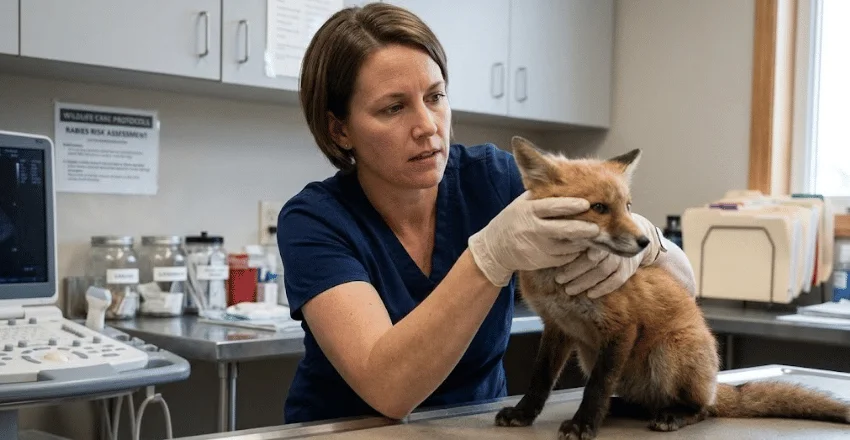
Rabies is one of the clearest public-health concerns. The current NASPHV rabies compendium says wild animals and wild hybrids should not be kept as pets. It also says no parenteral rabies vaccines are licensed for those animals.
That changes what can happen after a bite or scratch. The compendium advises considering exposed wild mammals for euthanasia and rabies testing. It also directs exposed people to seek prompt medical and public-health evaluation.
Veterinary access can be difficult for another reason. Many clinics focus on domestic animals and may not handle wild canids. Owners would need qualified veterinary support before routine care or emergencies arise.
Daily Care Demands Are Far Beyond Normal Dog Ownership
Coyotes can dig, climb, travel, hunt, and defend territory. Containment must account for those behaviors, not only fence height. Local wildlife rules may also require enclosures, inspections, or recordkeeping.
Feeding is not as simple as filling a dog bowl. Wild diets can include rodents, rabbits, insects, fruit, carrion, and other available foods. Any captive diet should come from a qualified veterinarian with relevant species experience.
A residential property can create conflicts even with careful planning. Escape prevention, visitor safety, pet separation, and emergency handling all need written plans. Ordinary household security advice does not replace professional wildlife enclosure standards.
The Real Cost Goes Beyond the Purchase Price
The animal’s purchase price is only one possible expense. Permits, inspections, secure housing, veterinary care, food, and enrichment can add substantial costs. Emergency repairs or escape responses can increase those costs further.
Insurance also deserves attention before you take possession. Ask an insurer in writing whether wild-animal incidents are covered. Do not assume a standard homeowners policy applies to a non-domestic species.
Legal sourcing is another practical issue. States regulate capturing, transferring, and possessing native wildlife differently. Buyers should verify documentation before accepting any animal from a breeder or seller.
What Should You Do If You Find a Pup or Injured Animal?
Keep your distance from young or injured wildlife unless immediate safety requires you to act. A parent may still be nearby, and unnecessary handling can create new problems. Contact your state wildlife agency or a licensed rehabilitator for instructions.
Do not feed, tame, or bring the animal home because it appears alone. Wildlife agencies warn that feeding can teach coyotes to approach people and homes. That behavior can make later release or coexistence more difficult.
If physical contact causes a bite or scratch, wash the wound promptly. Then contact a health-care provider and local public-health authority. Make rabies decisions with professionals, not from online advice alone.
Safer Ways to Enjoy Wild-Canid Appeal
A domestic dog is usually the better choice for companionship. Shelters and breed rescues can help match energy level, size, and temperament to your household. Choose for behavior and care needs rather than appearance alone.
Wildlife volunteering offers another way to learn about native canids. Licensed rehabilitation centers, sanctuaries, and education programs can provide supervised exposure. These settings protect both the animal and the people working around it.
For more general reading, Newspaj’s Home Improvement section covers ordinary residential projects and property upkeep. The site’s exterior-door guide can help with household security, but it is not a wildlife-enclosure standard.
Frequently Asked Questions
Can a pet coyote be legally owned in every state?
No, rules differ across the United States. Some jurisdictions prohibit private possession, while others use permit systems. Local ordinances can add restrictions beyond state wildlife rules.
Can coyotes be domesticated?
Not by raising one animal in a home. An individual can become accustomed to people, but that is taming, not domestication. Wild instincts and species-specific behavior remain important throughout adulthood.
Are coyotes dangerous to people?
Unprovoked attacks on people are considered rare by wildlife agencies. Risk can rise when animals are fed, habituated, cornered, or defending young. People should keep their distance and avoid encouraging close contact.
What do coyotes eat?
They are opportunistic omnivores with varied diets. Natural foods can include small mammals, birds, insects, fruit, and carrion. Human food, garbage, and outdoor pet food can also attract them.
The Bottom Line
Check official state wildlife rules and local animal-control ordinances before taking any action. If your goal is companionship, a domestic dog offers a safer and more predictable path. If you encounter wildlife, observe from a distance and contact professionals when intervention is needed.
The practical lesson is simple: legal permission is only one part of responsible ownership. Health policy, behavior, containment, welfare, and community safety matter. For most households, appreciating wild canids without keeping one is the lower-risk choice.